PostTime:6/3/2026
In 2026, the sixth cohort of undergraduate graduates from Guangdong Technion – Israel Institute of Technology (GTIIT) is ready to set sail. Armed with the knowledge and courage bestowed by their alma mater, and guided by the belief of "Dream it. Do it.", they have etched their youth in constant exploration and breakthrough. Let us step into their stories, and witness how they take action as wings to wider skies.
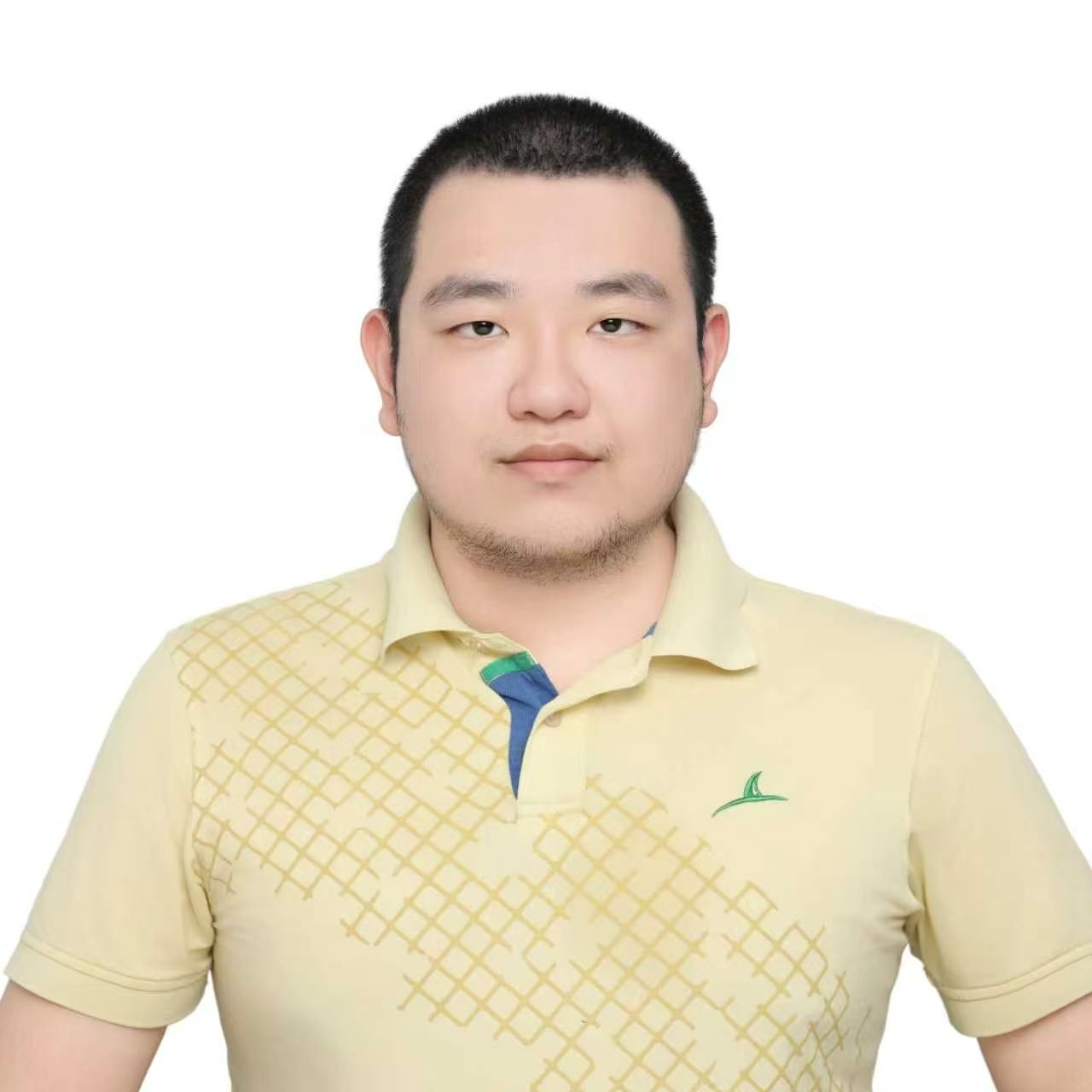
Name: Liu Yiyou
High School: Shenzhen Senior High School
Program: Mechanical Engineering (Robotics) (ME)
Awards:
GTIIT Second Class Chancellor's Scholarship
GTIIT Vice Chancellor's List (2023&2024)
Offers:
Carnegie Mellon University (AI Engineering – Mechanical Engineering)
University of Pennsylvania (Mechanical Engineering)
Duke University (Robotics)
Columbia University (Mechanical Engineering)
Northwestern University (Robotics)
University of Michigan–Ann Arbor (Robotics)
University of Southern California (Computer Science)
Johns Hopkins University (Mechanical Engineering & Robotics)
With a solid foundation in math and physics and a drive in deep reinforcement learning, Liu Yiyou finds joy in the moment his code runs on a real robot. For him, robots are never just formulas in textbooks—they're a vivid way to turn theories to life.
Driven by passion, rooted in math and physics
"I just love learning theoretical knowledge that can be applied to real life." For Yiyou, robotics is a vivid demonstration of mathematical theories in the physical world. The ME curriculum at GTIIT fits perfectly with his interests and career plans, while the university's open and inclusive atmosphere allows him to explore at his own pace.
"GTIIT places a strong emphasis on math and physics. Robotics is built on a solid foundation of mathematical theories. It's hard to learn it well without that foundation." What's more, coursework here encourages coding for mathematical calculations instead of traditional manual methods. This allows students to focus more on the how and the why, truly internalizing the concepts. "Some exams even allow us to use computers to write code and solve problems."
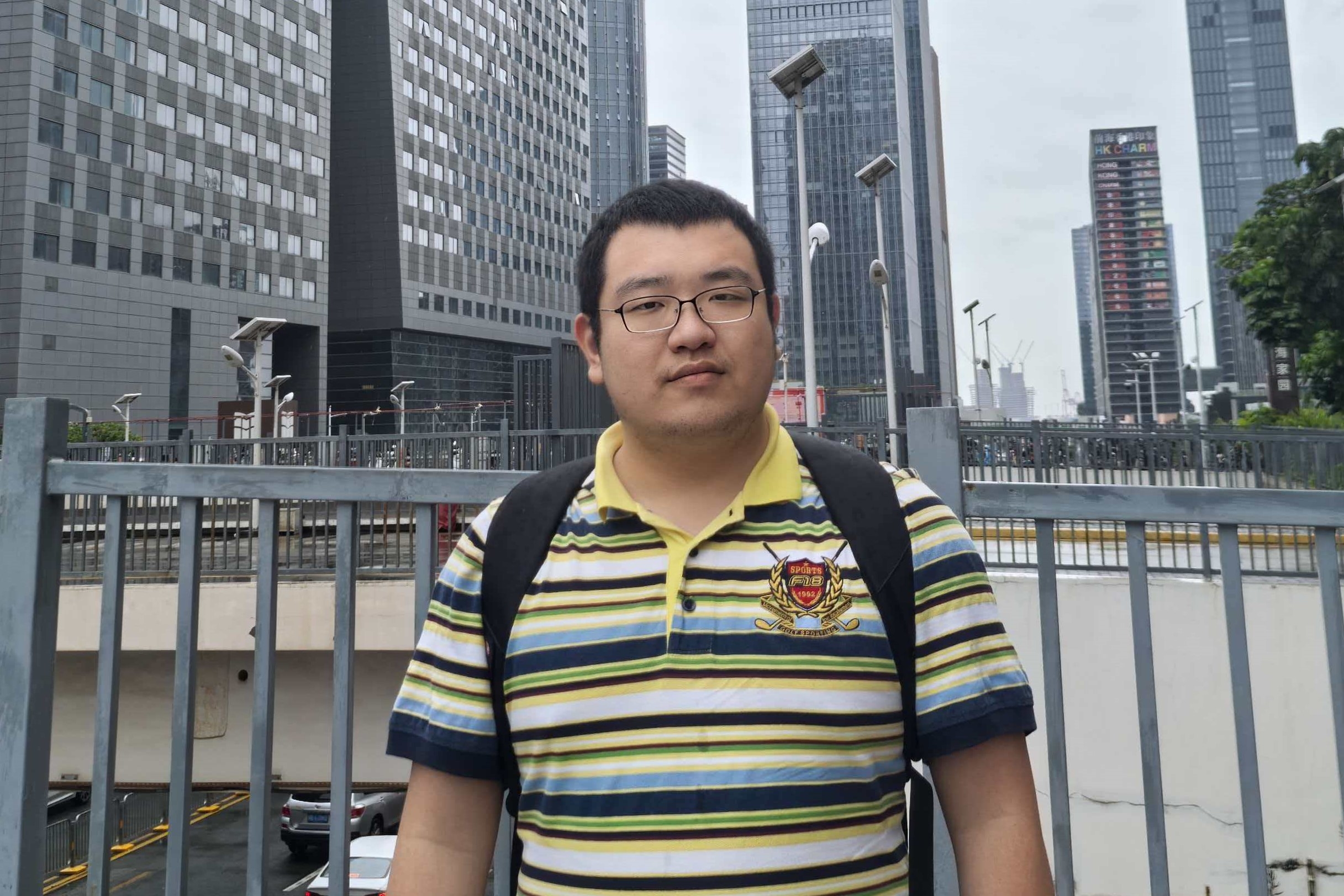
Over his four years of study, the course Kinematic Dynamics of Robotics and Control taught by Prof. Nicolaas left him a lasting impression. "This is probably one of the most challenging courses in ME program, but also one of the most practical." The theories learned in this course are widely used in cutting-edge robotics technologies, making learning truly applicable.
From practice to the forefront
Moving from classroom to lab came naturally. The university's open research platform provided strong support. As a pragmatist, he particularly enjoyed applying knowledge to real-world scenarios. Driven by his interests, he took on a challenging project: training a robot using reinforcement learning to observe terrain with a depth camera and walk on a series of raised pegs.
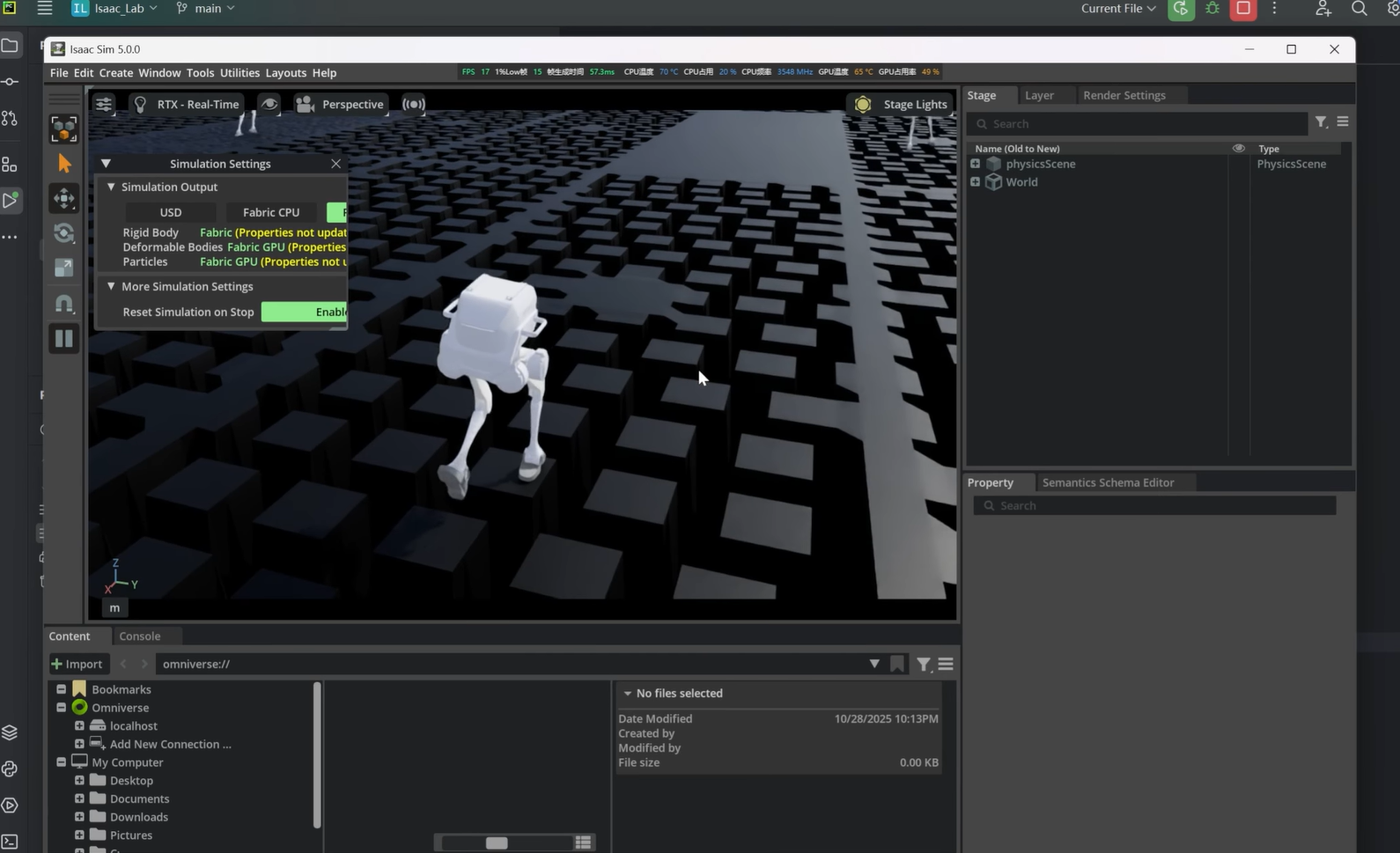
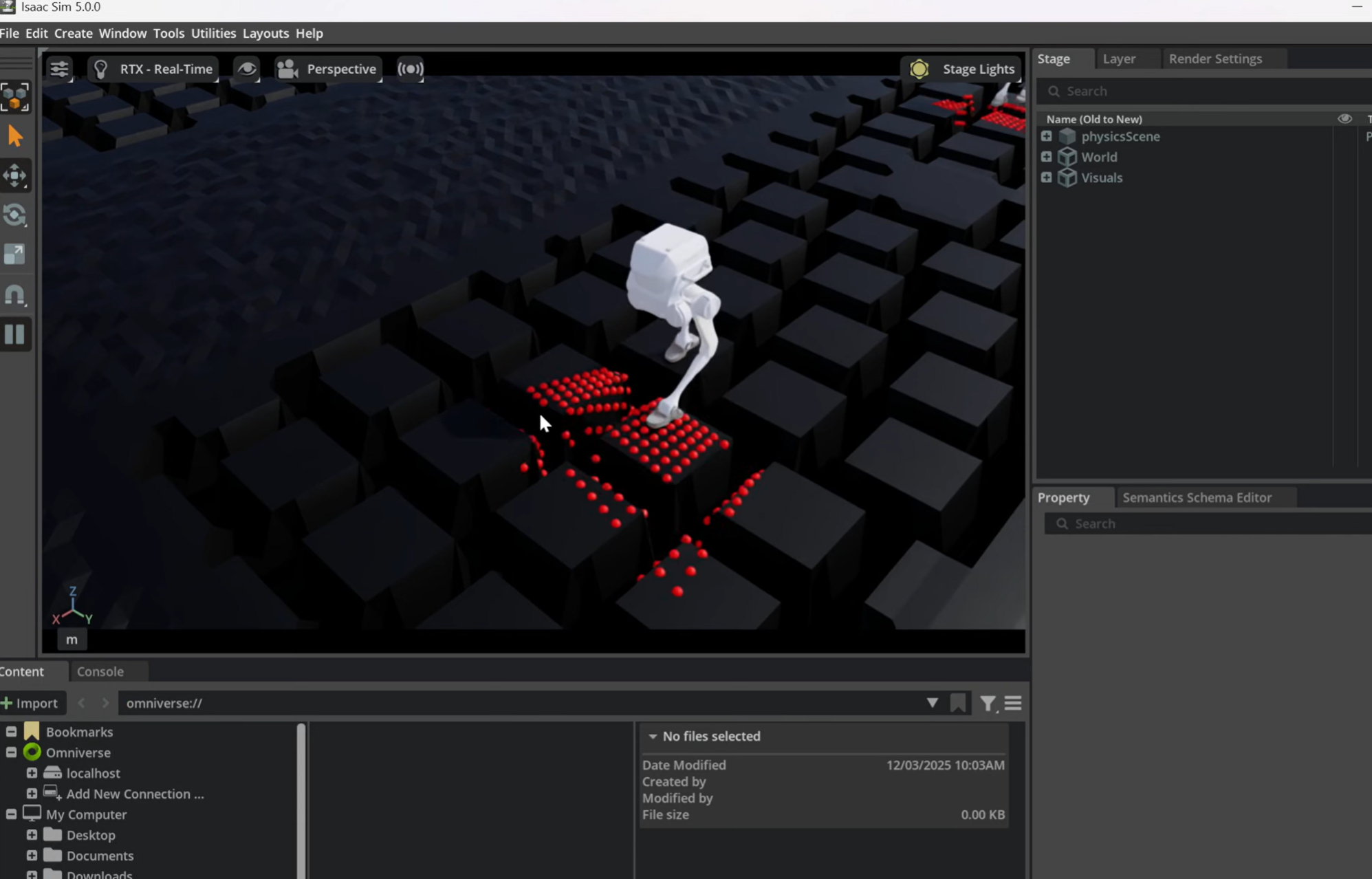
Project diagram
"The robot ran perfectly in simulation, but on the actual machine, it stumbled." Facing the gap, he didn't get discouraged. Instead, he carefully analyzed the differences, made adjustments based on engineering experience, and eventually turned the wobbly robot into a steady one. This experience not only enhanced his reinforcement learning skills but also gave him a deep understanding of the gap between the simulated and real worlds.
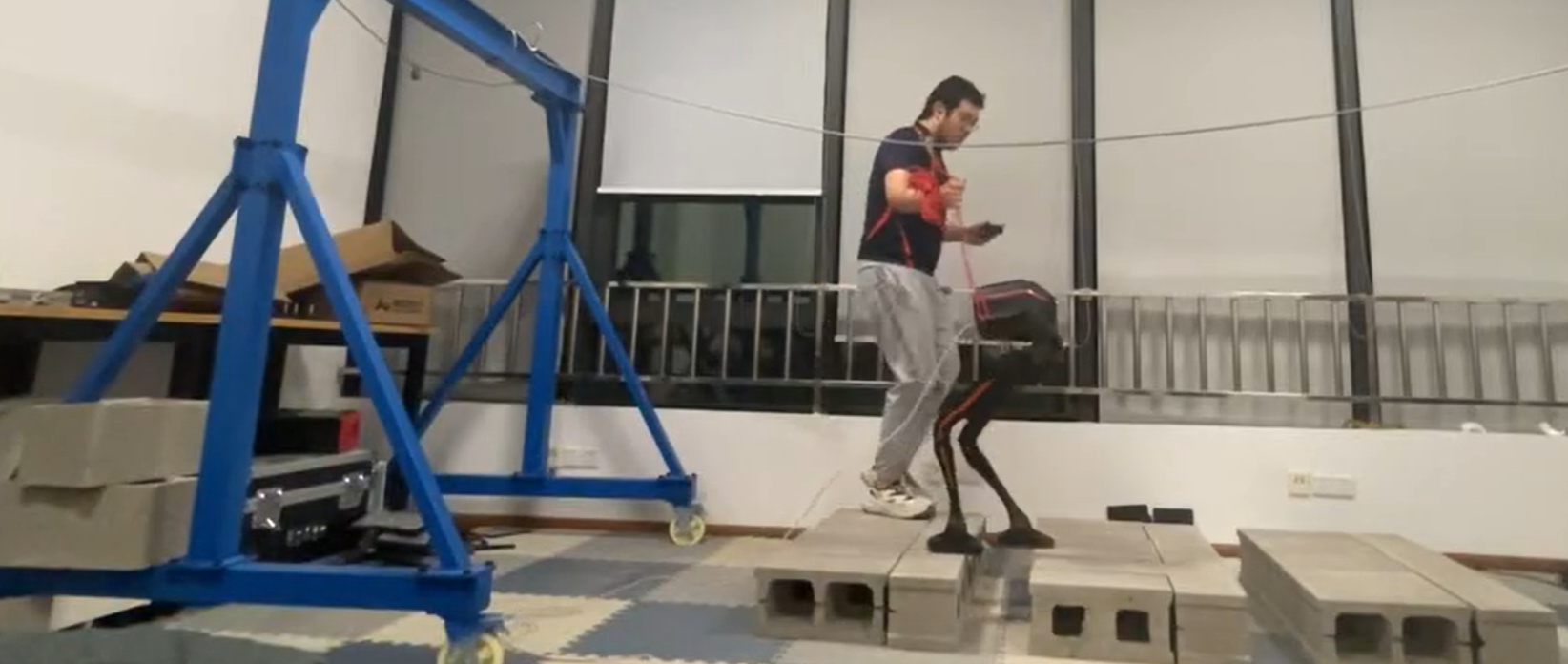
Yiyou debugged the robot in the lab
Facing the rapid development of AI, he has his own perspective. "You can become the 'boss' of AI. Use it to quickly finish the tasks you already know how to do, significantly boosting efficiency and avoiding being bogged down by repetitive busywork." But he also admitted challenges remain. "If you're unsure how something works or don't grasp the principles behind it, you won't be able to tell whether AI's responses are trustworthy." Therefore, keeping skills sharp is more important than ever.
Apart from in-class knowledge, he consciously adds extra "meals" to his knowledge system. He enjoys learning theoretical concepts from other fields that have real-world applications, like robust control, parameter identification, different deep learning algorithms, and data structures.
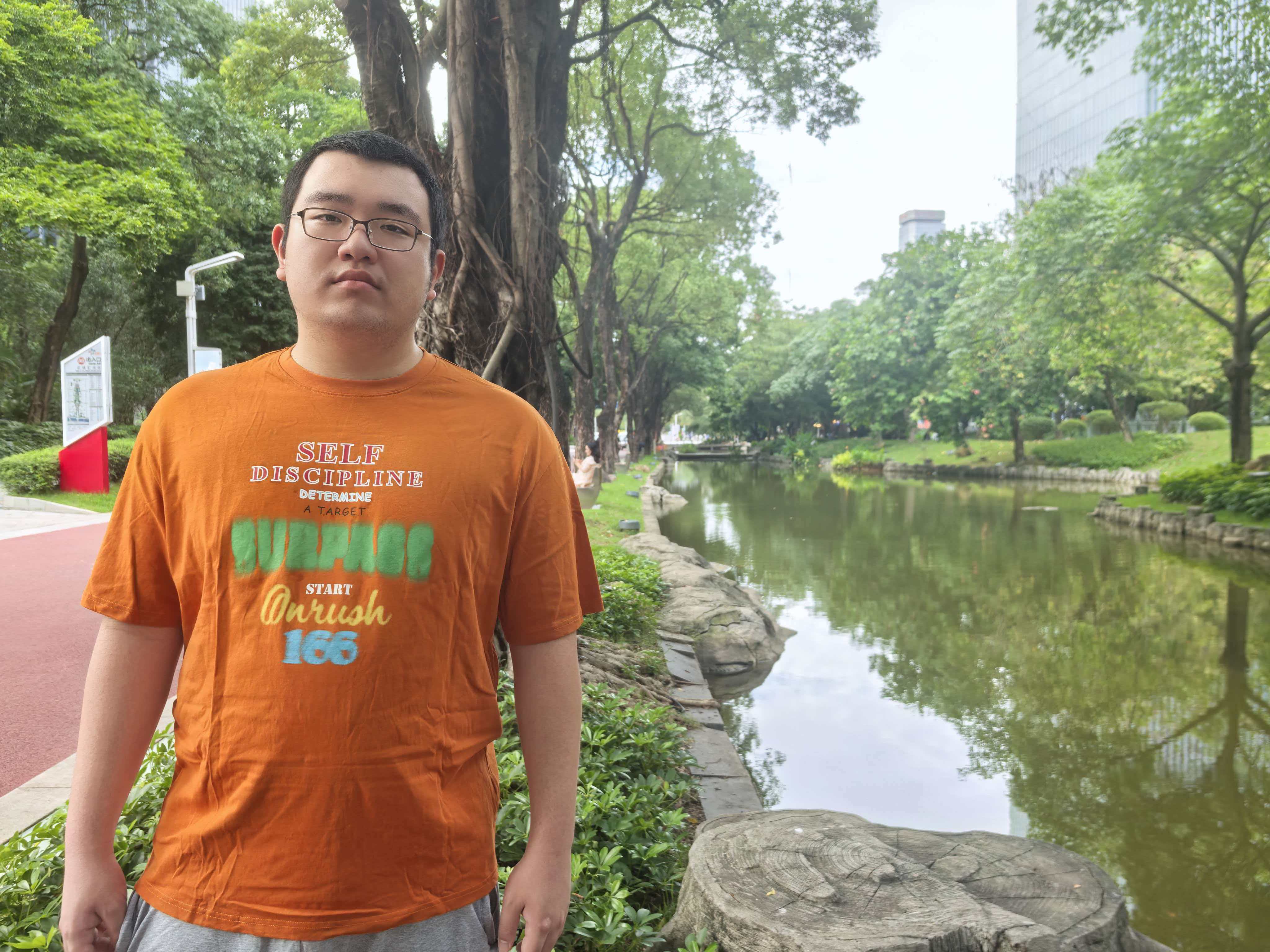
This fulfilling academic life keeps his passion for exploration alive, while his solid foundation in math and physics gives him the confidence to step onto bigger academic stages. Eventually, multiple offers from top universities around the world arrived—a fitting reward for four years of hard work, and the starting point of his next journey of discovery.