PostTime:5/29/2026
In 2026, the sixth cohort of undergraduate graduates from Guangdong Technion – Israel Institute of Technology (GTIIT) is ready to set sail. Armed with the knowledge and courage bestowed by their alma mater, and guided by the belief of "Dream it. Do it.", they have etched their youth in constant exploration and breakthrough. Let us step into their stories, and witness how they take action as wings to wider skies.
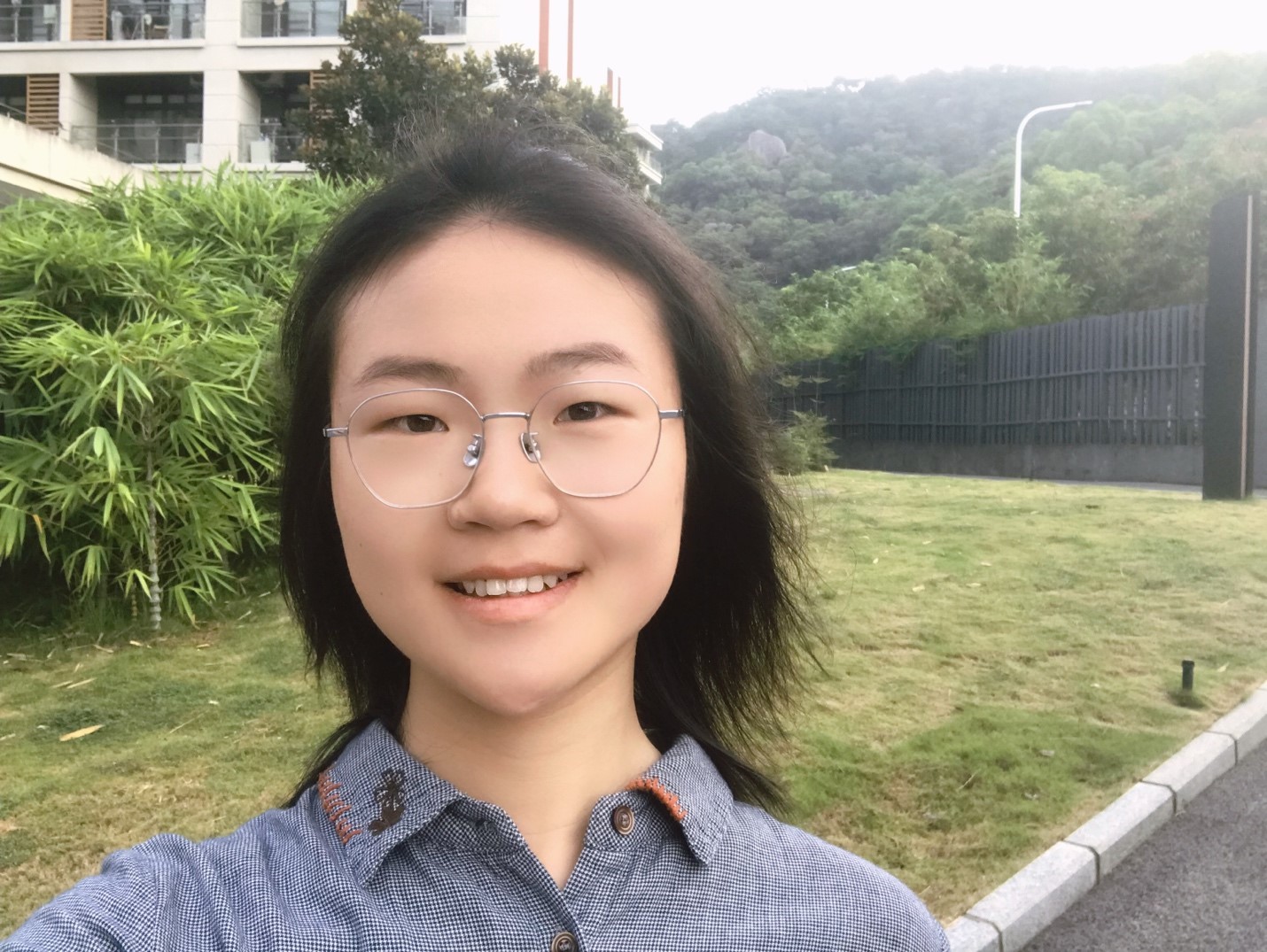
Name: Chen Mingjie
High School: Zhengzhou Foreign Language School
Program: Biotechnology and Food Engineering (BFE)
Awards: GTIIT Academic Excellence Scholarship
Offers: Direct PhD program in Microbiology, Faculty of Medicine, Hebrew University with excellence scholarship
From GTIIT labs to Hebrew University's Faculty of Medicine, Mingjie has spent four years driven by passion. Her scientific exploration had no shortcuts—only by repeatedly asking "why". Beyond research, she has also enriched her college life through volunteering and social practice. Now, holding an offer for direct PhD admission, she is about to embark on a new academic chapter in the field of microbiology.
From a learner to a questioner
When choosing university after Gaokao, Mingjie focused on life sciences and microbiology, fields she was genuinely interested in. Among the related programs, GTIIT's BFE program caught her attention. "It covers both foundational life sciences and emphasizes applied and engineering thinking. This mix was exactly what I was looking for at the time."
The BFE curriculum at GTIIT stresses understanding molecular mechanisms and hands-on experimental training, which laid a crucial foundation for her subsequent transition into medical research. "The training in molecular microbiology and gene functional analysis, in particular, has enabled me to quickly build logical frameworks and analyze complex biomedical problems."
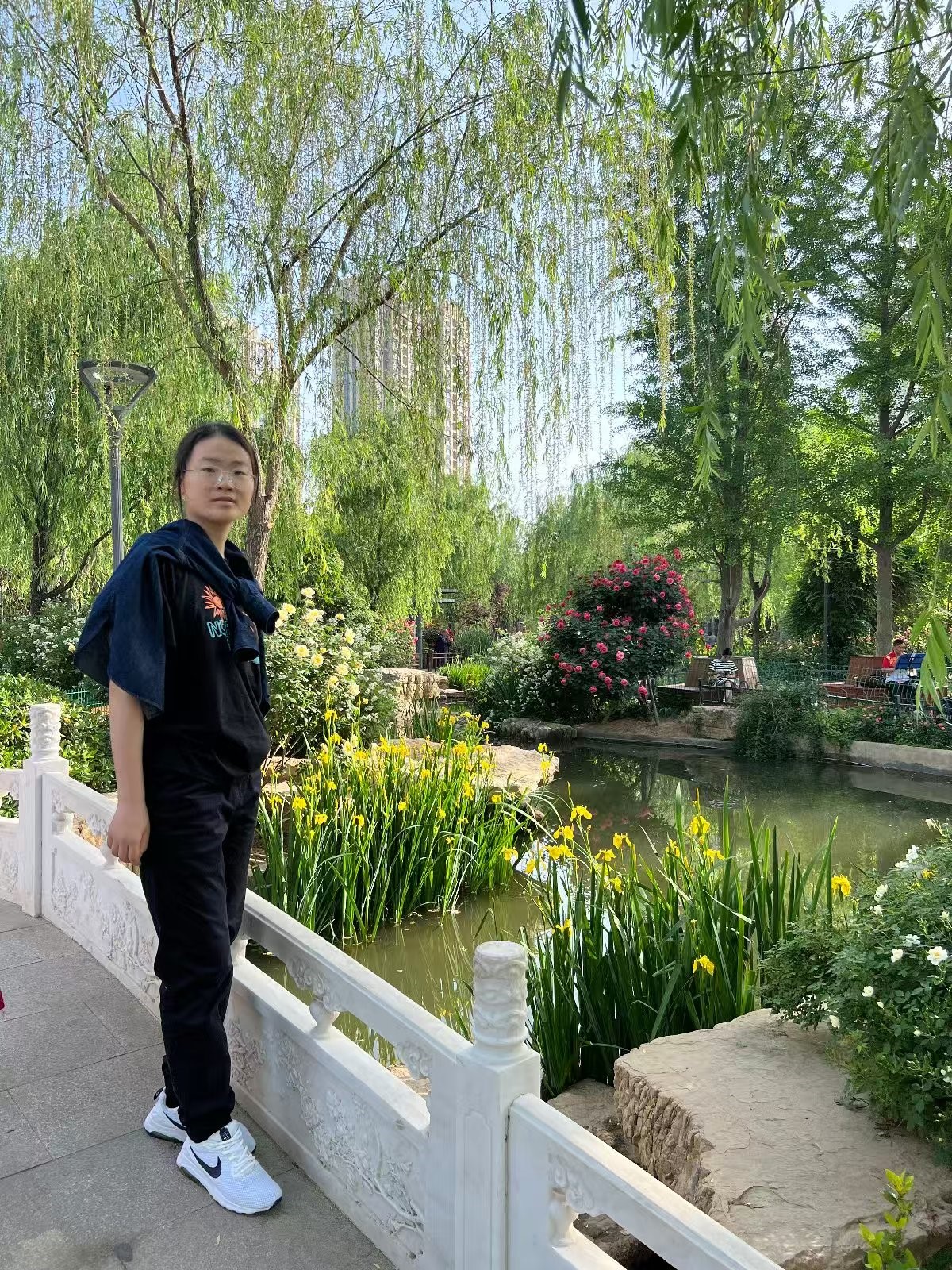
When asked about the most memorable course, she did not hesitate to mention microbiology and its associated lab sessions. This course not only gave her a systematic understanding of microbial mechanisms but also introduced her, for the first time, to research-style experimental design and data analysis. "I failed and tweaked my experiments so many times that I eventually learned to think from the results — not just follow the steps." This training shaped how she now approaches scientific questions. The rigorous and solid academic training deepened her understanding of issues such as "how microbial systems interact with the environment" and "how genes influence phenotypes", ultimately transforming her from a "learner" into a "questioner".
Four years later, she understands the program far better than she ever imagined. "Studying at GTIIT made me realize that this program is not just about 'learning knowledge'—it's about understanding the logic behind scientific problems and testing hypotheses through experiments and data."
Beyond academics, Mingjie's university story has another warm chapter. She actively participated in social practice activities held by GTIIT's Youth Volunteer Association, growing step by step into a reliable organizer through initiatives like the Emotional Exchange Planting Activity and Outdoor Hiking Activity. For three consecutive years, she attended GTIIT's freshman orientation and graduation ceremonies as a volunteer. Outside campus, she took part in public welfare activities such as waste sorting promotion and blood donation drives. What's more, she secured the "College Students' Innovation and Entrepreneurship Training Program", ran for a position on the Student Union presidium, and was named an outstanding Communist Youth League member of GTIIT. For her, volunteering and service have long been integrated into her daily life.
Direct PhD: a recognition and a duty
If volunteering is the path through which she extends warmth outward, then scientific research is the way she explores depth inward. In Prof. Ka Yin Leung's research group, Mingjie focused on studying the transfer mechanisms and functions of plasmids in Edwardsiella bacteria. She was particularly fascinated by mobile genetic elements. "How they influence bacterial adaptability and the spread of antibiotic resistance is a question of great importance in both microbial evolution and public health." Research is never a linear process; experimental uncertainties and the complexity of data interpretation have often left her stuck. "I just kept reading literature, adjusting my experiments, and talking to my advisor. That's how I improved my problem-solving skills." The lab's open and supportive atmosphere, along with patient guidance from senior students, allowed her to continuously adjust her approach and persist in her exploration.

When she received the offer for direct PhD in Microbiology at the Hebrew University's Faculty of Medicine, she was hit by joy and a profound sense of responsibility. "This is not only a recognition of what I have worked on, but a commitment to staying dedicated to research going forward." In her view, there are no secrets to a direct PhD offer—what matters most is sustained research engagement and deep thinking about problems. "For me, research is not just a process of acquiring knowledge; it is a way to understand the laws of nature and attempt to explain the unknown." She hopes to continue delving into microbiology and molecular mechanisms during her PhD, contributing valuable research outcomes in this field.

"The past four years at GTIIT taught me to find my direction through trial and error," Mingjie said. She mentioned her biggest change was in her way of thinking—shifting from simply "completing tasks" to "actively posing and solving problems"; from "running experiments" to constantly asking "why". In her view, independent thinking, resilience, the ability to keep learning, scientific rigor, and attention to detail are critical on the path to truth. And these essential abilities were cultivated precisely through GTIIT's systematic and comprehensive training and its open, inclusive research environment.
"The most important thing in research is to keep exploring and accumulating experience, not to find a 'perfect answer' from the start," Mingjie advised. She encouraged younger students to get involved in research as early as possible, try different directions, not fear failure, and actively communicate while making good use of university resources.