PostTime:6/12/2026
In 2026, the sixth cohort of undergraduate graduates from Guangdong Technion – Israel Institute of Technology (GTIIT) is ready to set sail. Armed with the knowledge and courage bestowed by their alma mater, and guided by the belief of "Dream it. Do it.", they have etched their youth in constant exploration and breakthrough. Let us step into their stories, and witness how they take action as wings to wider skies.
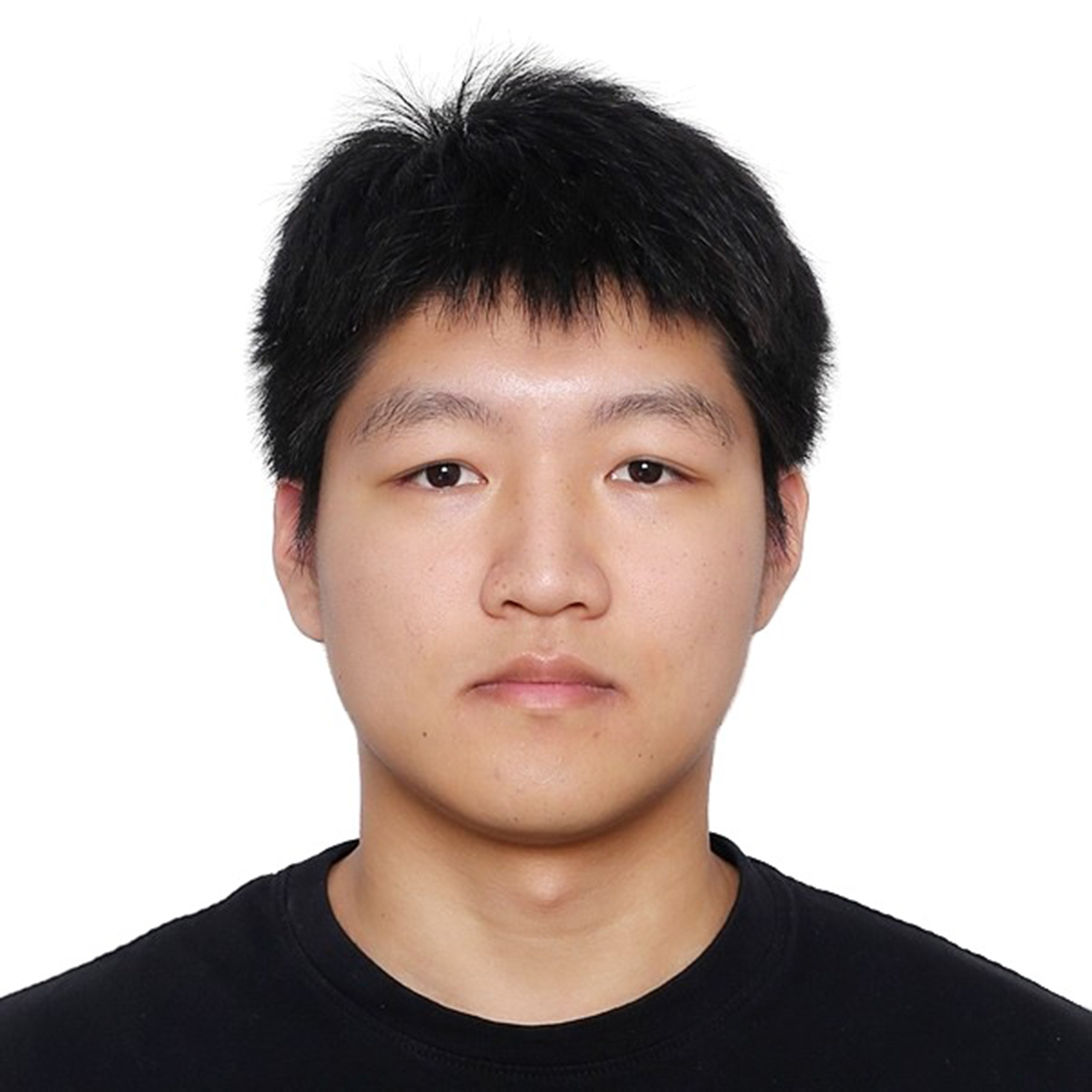
Four years ago, after the gaokao, Ye Xinyuan didn't follow the conventional path of university selection. Preferring a free, open environment that encouraged exploration, he chose GTIIT. Four years on, armed with a solid STEM foundation and rich research experience, he received fully funded direct PhD offers from seven top universities including Stanford and Northwestern. In this acritical, we speak with Ye Xinyuan and his supervisor, Associate Professor Wang Yan, to explore the growth, choices, and breakthroughs of a GTIIT student.
人物介绍PROFILE
Ye Xinyuan
High School:
Xiaoshan High School, Zhejiang
Program:
Chemical Engineering
Awards:
GTIIT Vice Chancellor's List (2024&2025&2026)
Offers (Fully funded Direct-PhD):
Stanford University — Mechanical Engineering
Northwestern University — Materials Engineering
Carnegie Mellon University — Materials Engineering
Washington University in St. Louis — Energy, Environmental & Chemical Engineering
Texas A&M University — Chemical Engineering
University of Notre Dame — Chemical & Biomolecular Engineering
University of Rochester — Chemical & Biomolecular Engineering
The Right Fit
Not the Rat Race
After the gaokao, Ye Xinyuan's scores could've gotten him into top Chinese universities, but he chose differently. "For me, what matters is your passion, your skills, and your creativity. I wanted somewhere more open and more encouraging of exploration. And GTIIT, this new kind of research university, was exactly what I had in mind."
Generous scholarships and ample room for independent growth at GTIIT sealed his decision. Looking back, he's never regretted this choice. His growth has exceeded all expectations. "GTIIT gave me the freedom to develop." The relaxed, individuality-respecting environment lets him dive fully into coursework and research.
Over four years, he built a strong academic foundation and found mentors and friends. Lab mate Li and senior students helped him overcome his carelessness and impatience; Associate Prof. Wang Yan and Prof. Jacob Klein of the Weizmann Institute offered precise guidance; some alumni generously shared their experience, helping him quickly decode the logic of overseas PhD applications. "If I could choose again, I'd still pick GTIIT." The university built him a personalized track, freeing him from homogeneous growth and gradually steering him toward an overseas PhD.
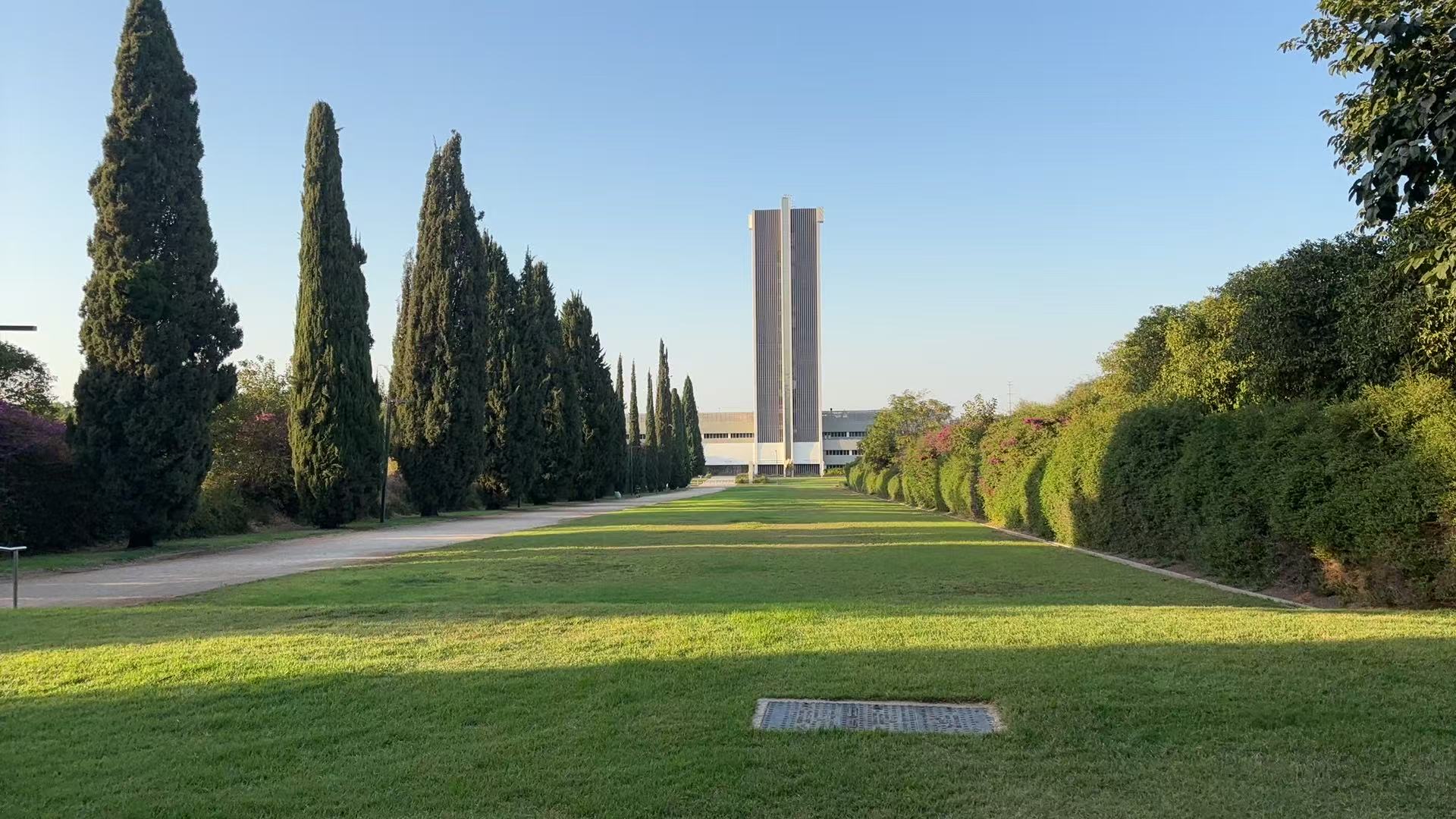
Weizmann Institute(Photo by Xinyuan)
Guided By Mentors
Sharpened In Research Skills
Joining Associate Prof. Wang Yan's lab as a sophomore was a turning point. Xinyuan worked on soft materials and bioelectronics, starting with hydrogel electrodes for physiological signal detection.
He still remembered the bumpy start. "It wasn't as easy as I'd imagined. We were figuring out formulations and testing protocols from scratch, so the first project took months." The lab was still young—every parameter and workflow had to be discovered through trial and error. To balance study and research, he built his routine around the lab. He'd often arrive at 7 a.m. to set up experiments, then rush back after class to check progress, tweak parameters, and log data.
The repeated failures and protocols were frustrating, but they hardened his resolve and stripped away the impatience of exam-oriented learning. "Research isn't about proving you were right from the start—it's about fixing things based on what the data tells you." The most lasting impact, though, was Prof. Wang's systematic overhaul of his scientific thinking.
"That night, we talked late and basically rebuilt the entire project logic from scratch," Xinyuan recalled. Before that, he'd approached projects tactically—what experiments to add, what data to polish—without seeing how each step fit the bigger picture. Under Prof. Wang's guidance, he built a complete logical framework. He learned that research isn't just about experiments; it's about first mapping out the full story, which makes everything move forward.
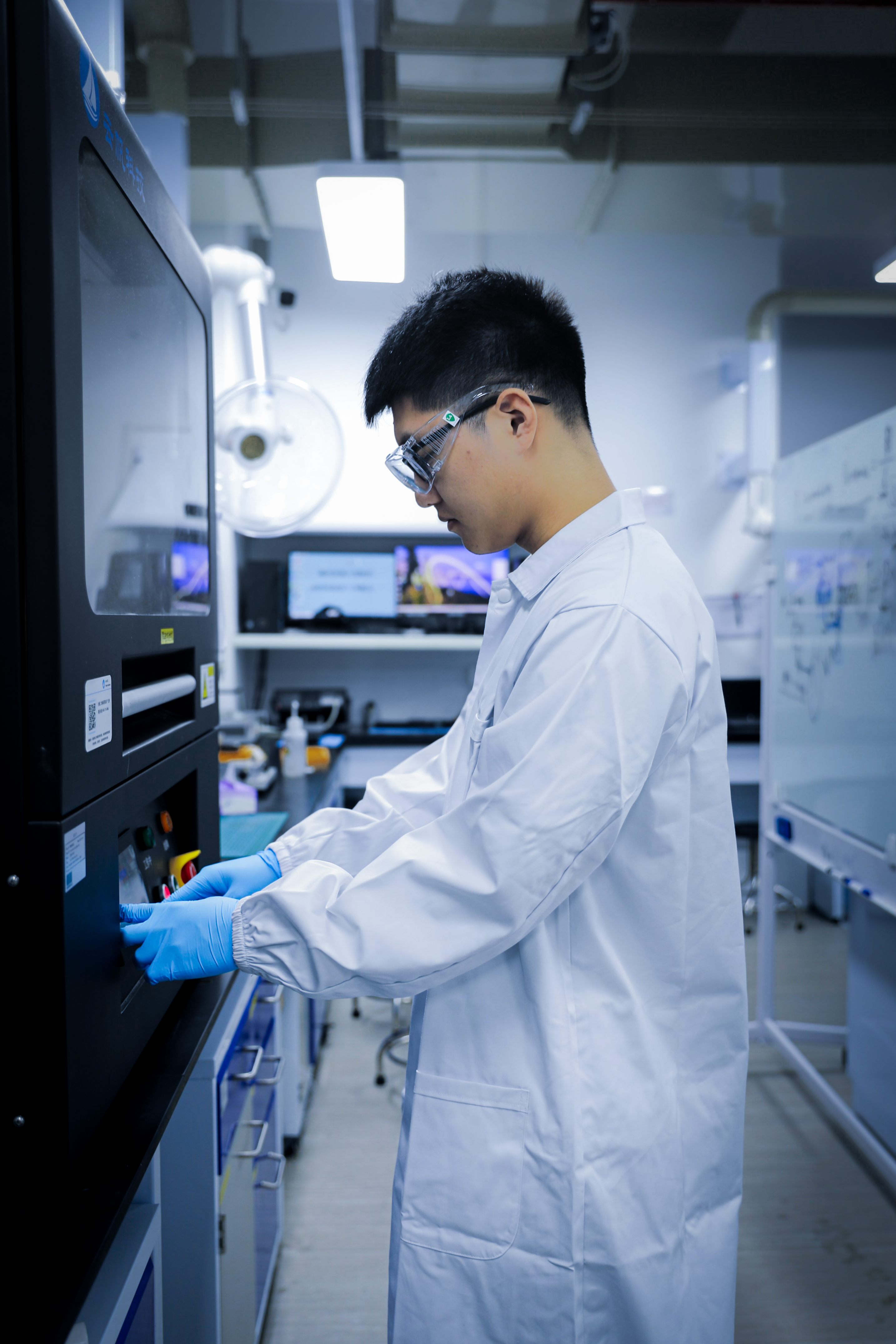
Prof. Wang's support was far beyond that. From assigning him a dedicated desk to integrate him into the lab culture, to generous funding that gave him room to fail boldly, to meticulous guidance at every project stage. "Her help wasn't one-off; it ran through my entire undergraduate years. She guided me from being a regular undergrad into proper research training system, teaching me how to do science systematically. That was crucial for my PhD applications."
In Prof. Wang's view, Xinyuan's success was no accident. "Many undergraduates are still observing from the sidelines in their first two years, but Xinyuan showed clear interest and goals early on—not following trends, but genuinely willing to put in time. That's rare research potential." A few things about him really stood out during his undergrad years. "His greatest strengths are execution, steady mindset, and teamwork. He acts on feedback immediately, never procrastinates. He can handle core tasks independently and collaborates well. He doesn't spiral when experiments fail or papers need revisions—he just keeps reviewing and improving."
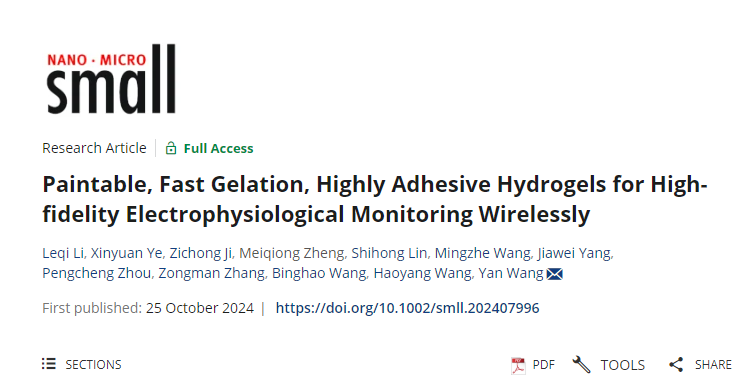
His proactive thinking and drive to dig deeper kept him from merely checking boxes. He chased the why and hunted for better solutions. With that curiosity, self-drive, and resilience, Xinyuan published in top journals like ACS Sensors and Small as an undergraduate, laying a solid foundation for his direct PhD offers.
Personalized Mentorship
GTIIT's Model
Ye Xinyuan's success is both personal grit and a testament to GTIIT's tailored, internationally research training. "GTIIT's model helps students develop research-ready skills early—a natural advantage for overseas PhD applications," said Prof. Wang.
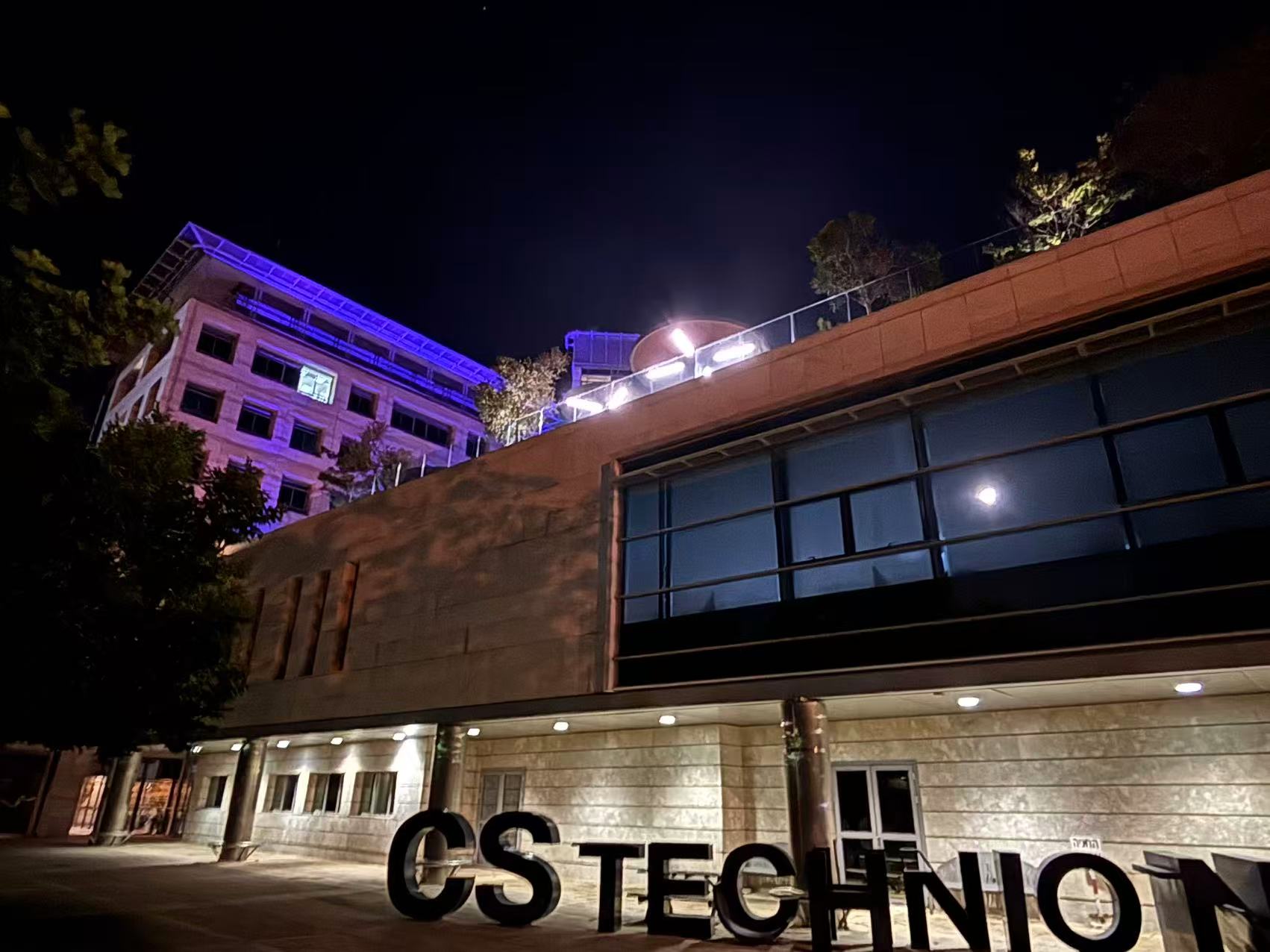
Technion (Photo by Xinyuan)
The immersive English environment lets students read literature, join discussions, and articulate ideas fluently in English. The university also pushes undergraduates into labs early, building real experience through genuine projects. A low student-to-teacher ratio and close mentorship keep students on the right track — with less trial and error along the way.
Ye Xinyuan felt this firsthand. "Instead of burning time on formalistic busywork, GTIIT gave me real freedom and space." Overseas PhD programs don't care about padded resumes; they want solid research experience and independent thinking. GTIIT's no-nonsense, results-focused culture—no forced activities or irrelevant courses—let him focus and build genuinely distinctive strengths.
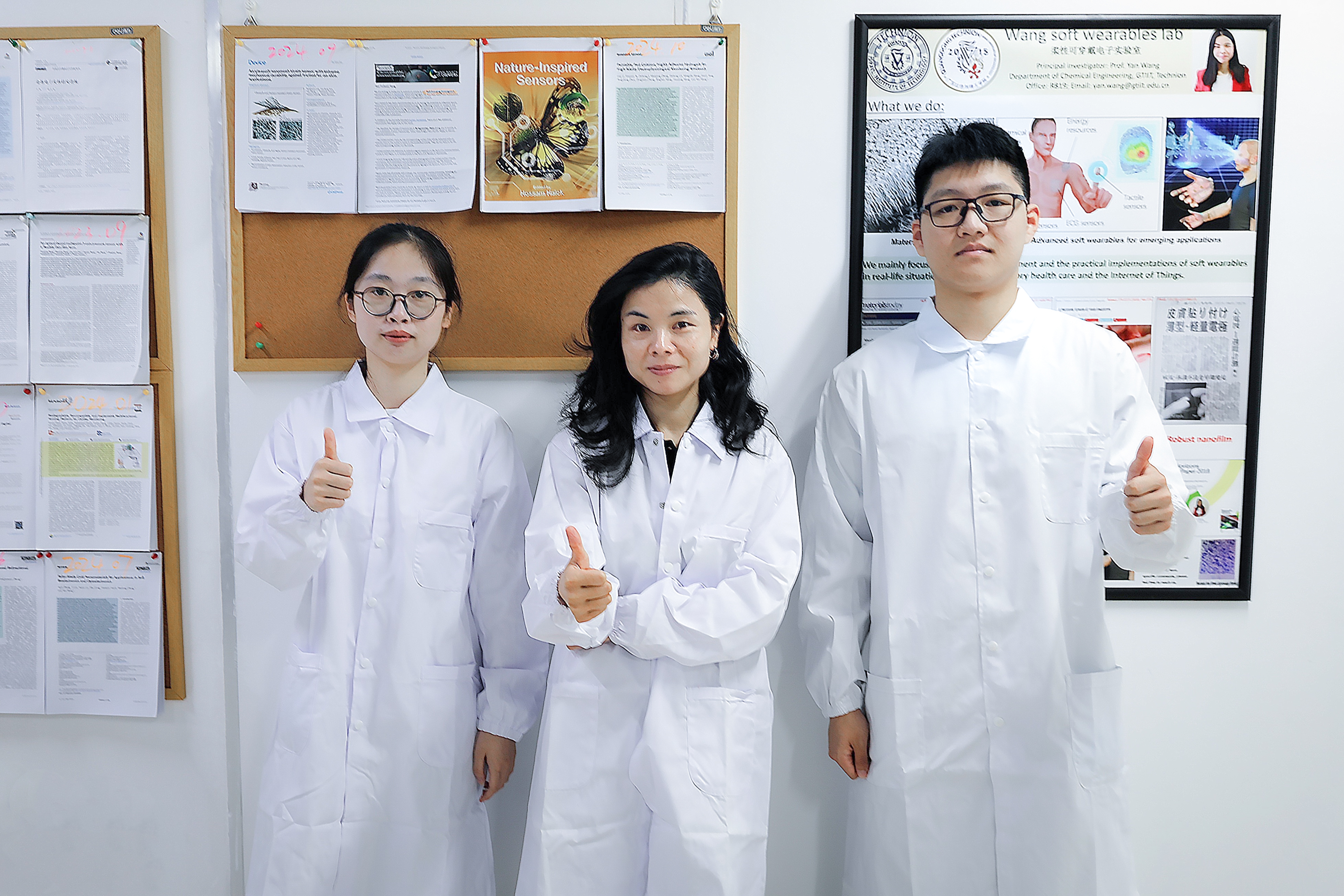
Prof. Wang Yan (Middle) and Xinyuan (Right)
Looking ahead to Stanford, Ye Xinyuan's plans are clear and grounded. "A PhD is a marathon, not a sprint. It's about steady rhythm and consistent accumulation." He'll keep the same pace—methodically moving through coursework and research. When choosing labs and advisors, alignment matters most. "I hope to find a group where I can grow long-term."
Prof. Wang has high hopes for his next chapter: "Stanford is a bigger stage with fiercer competition—an excellent opportunity and a fresh challenge." She urged him to build on his work ethic while learning to make independent judgments on complex problems and develop his own research style. Keep honing the ability to break down problems and push through obstacles. Embrace uncertainty, build resilience through setbacks, stay true to his goals amid competition, keep breaking new ground, and never lose that curiosity.
Prof. Wang's Tips:
What Makes a Student Right for a Research Career
Genuine curiosity.
Research is about exploring the unknown. If you treat it as a checklist or means to an end, you won't last. True researchers are driven by an inner need to ask "why" and "what if."
Resilience.
Failure is the norm. The question isn't whether you'll hit roadblocks, but whether you can stay patient, keep thinking, and keep iterating when you do.
Independent thinking.
Eventually you can't rely on your advisor for every step. You need to spot problems, form hypotheses, and judge research directions yourself—not just execute tasks.
Self-drive and steady commitment.
Research pays off through long-term accumulation. You have to accept slow, long cycles and keep going even without immediate feedback.
Collaboration and openness.
Today's problems are complex and interdisciplinary. Going far means working across boundaries, embracing different viewpoints, and adjusting your approach when needed.
Text/Photos: GTIIT News & Public Affairs, Ye Xinyuan