PostTime:4/24/2026
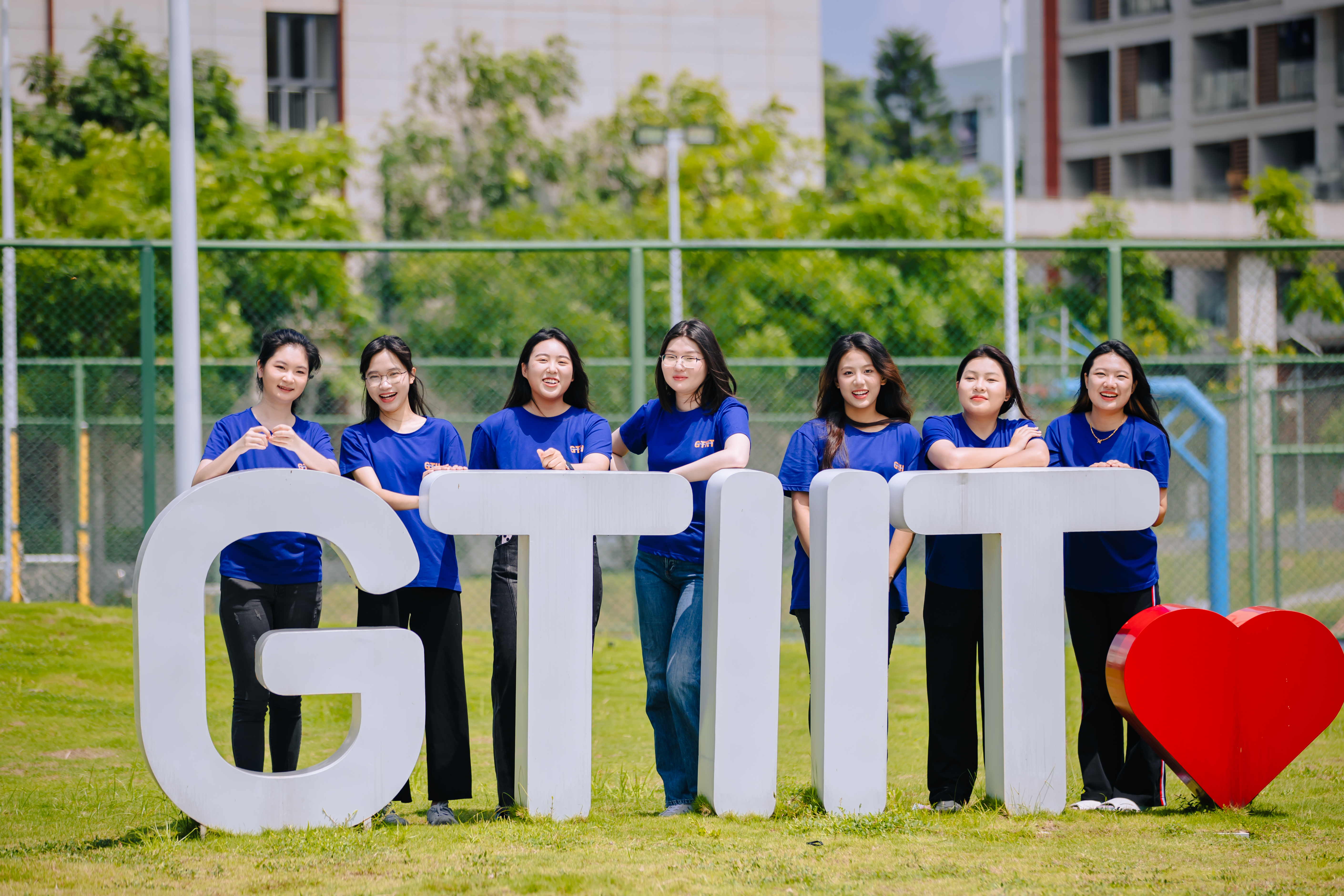
At the beautiful campus of Guangdong Technion - Israel Institute of Technology (GTIIT), there is a group of students who have studied and grown here from bachelor's to master's to doctoral degrees, witnessing the evolution and development of this university.
Having originally planned to work in Shanghai after her bachelor’s degree before opting for a direct PhD programme, Lu Wenting, from the Class of 2019, never imagined that her bond with Materials Science and Engineering (MSE) would grow to such an extent. As the third cohort of undergraduate and the direct PhD student at GTIIT, she met supportive mentors here, shifted from passive to active learning, and wrote an inspiring youth story.
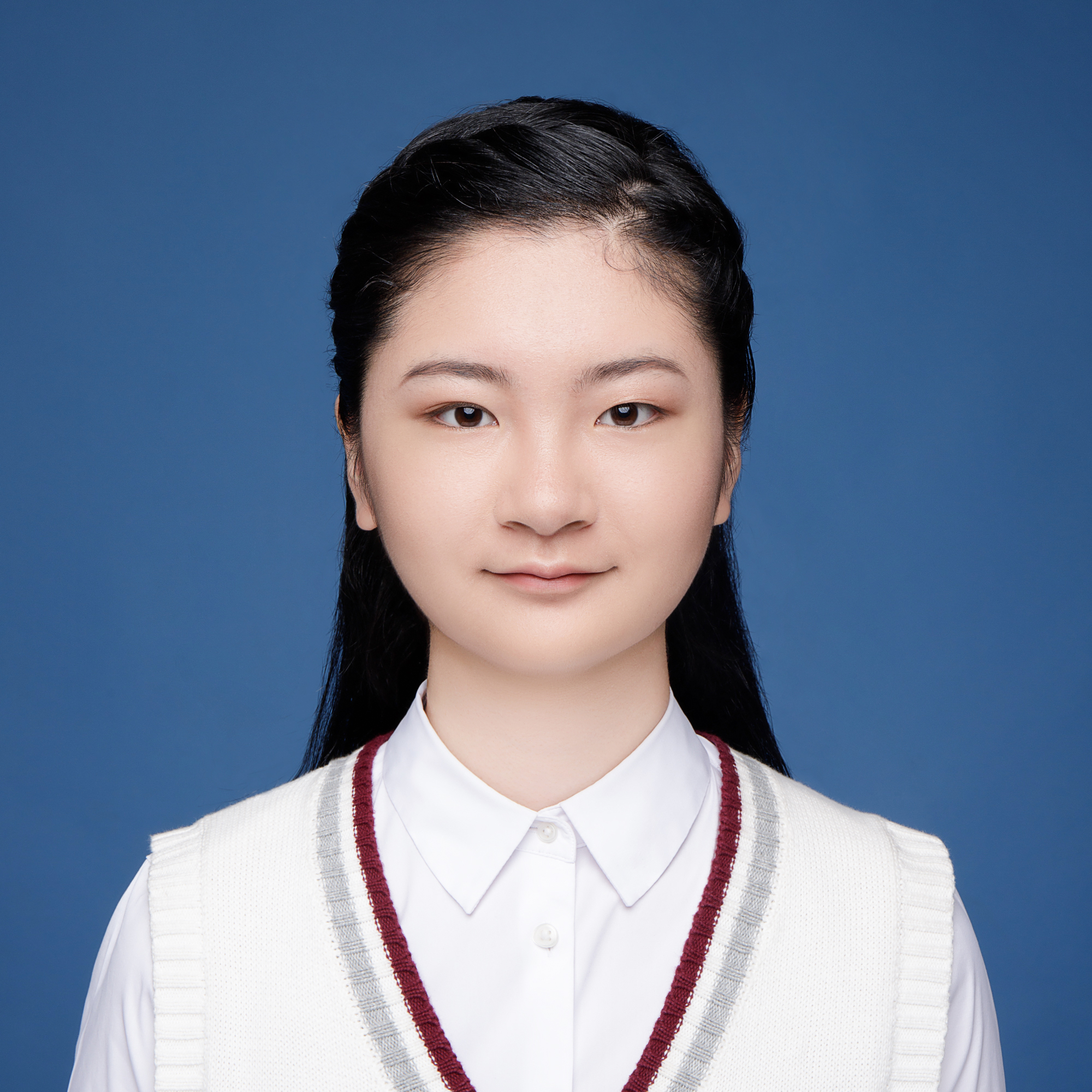
Lu Wenting
B. Sc. (2019-2023)
MSE GTIIT
Direct PhD (2023-present)
MSE GTIIT&Technion
Best Presentation Award, 2nd and 3rd Poster Competition, GTIIT;
First Prize, 1st and 2nd MATEC Poster Competition;
Oral Presentation, AIRAPT 2025 (International Association for the Advancement of High Pressure Science&Technology);
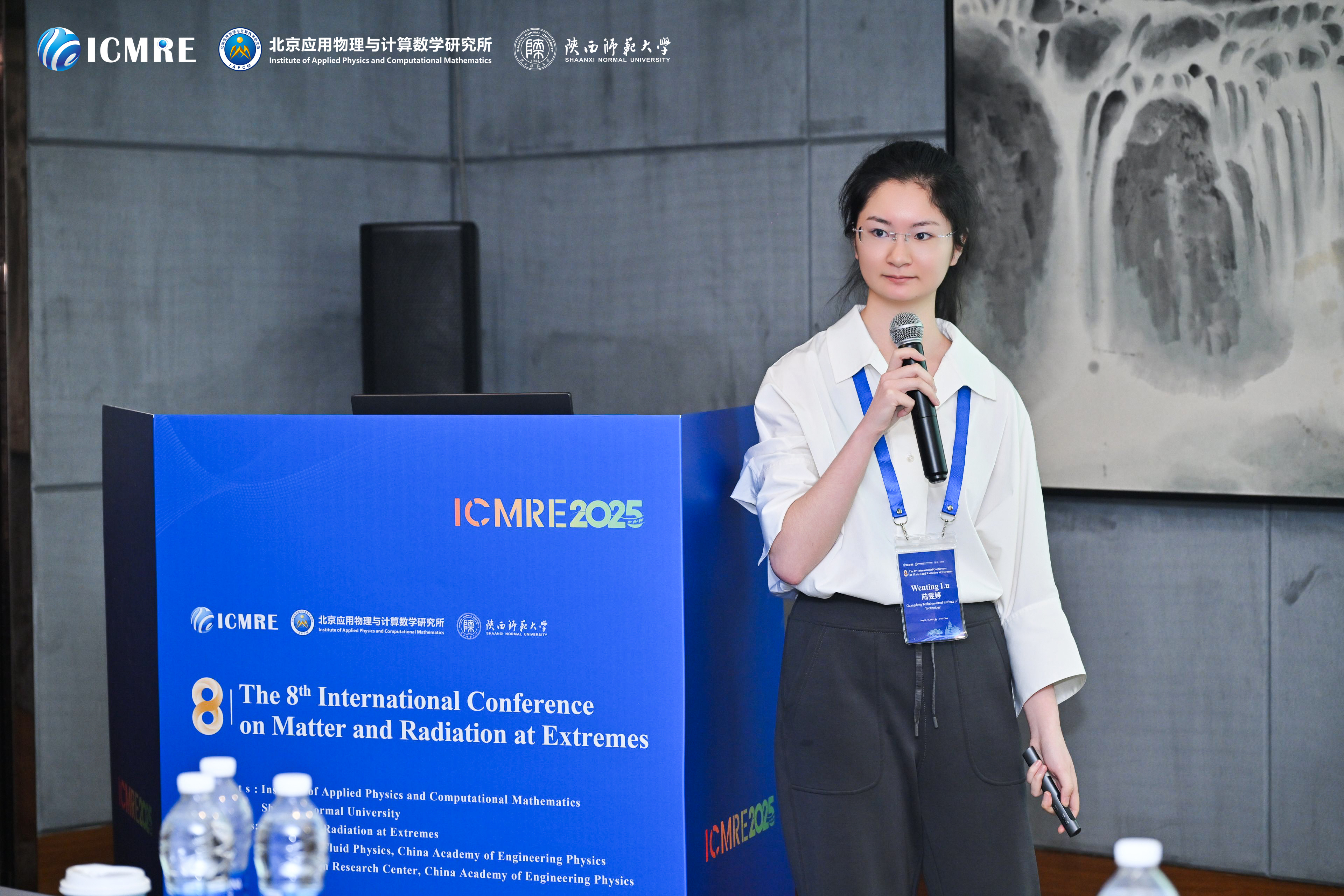
Oral Presentation, ICMRE 2025 (International Conference on Matter and Radiation at Extremes);
Oral Presentation, ICMRE 2026
Hidden Surprise at GTIIT
“I used to get asked what I wanted to be when I grew up, and I pictured many careers, but never considered scientific research.” Talking about her story with science, Wenting admitted that everything changed at GTIIT.
She chose GTIIT for its all-English teaching environment and science-engineering training mode. “This kind of training would better equip me for future career development after graduation.” She selected MSE for practical reasons—compared with chemical engineering and biology, it involved less organic chemistry, which better matched her strengths. Back then, Wenting had a clear, realistic goal: finish her bachelor’s degree, return to Shanghai, work, and become financially independent.
The turning point came when she joined a research group. “In my third year, I joined the Materials under Extreme Conditions research group for my advanced project—a required step for all upper-year GTIIT undergraduates.” It was through this project that she met her mentor, Prof. Elissaios Stavrou. This warm, patient scholar completely changed her life path.
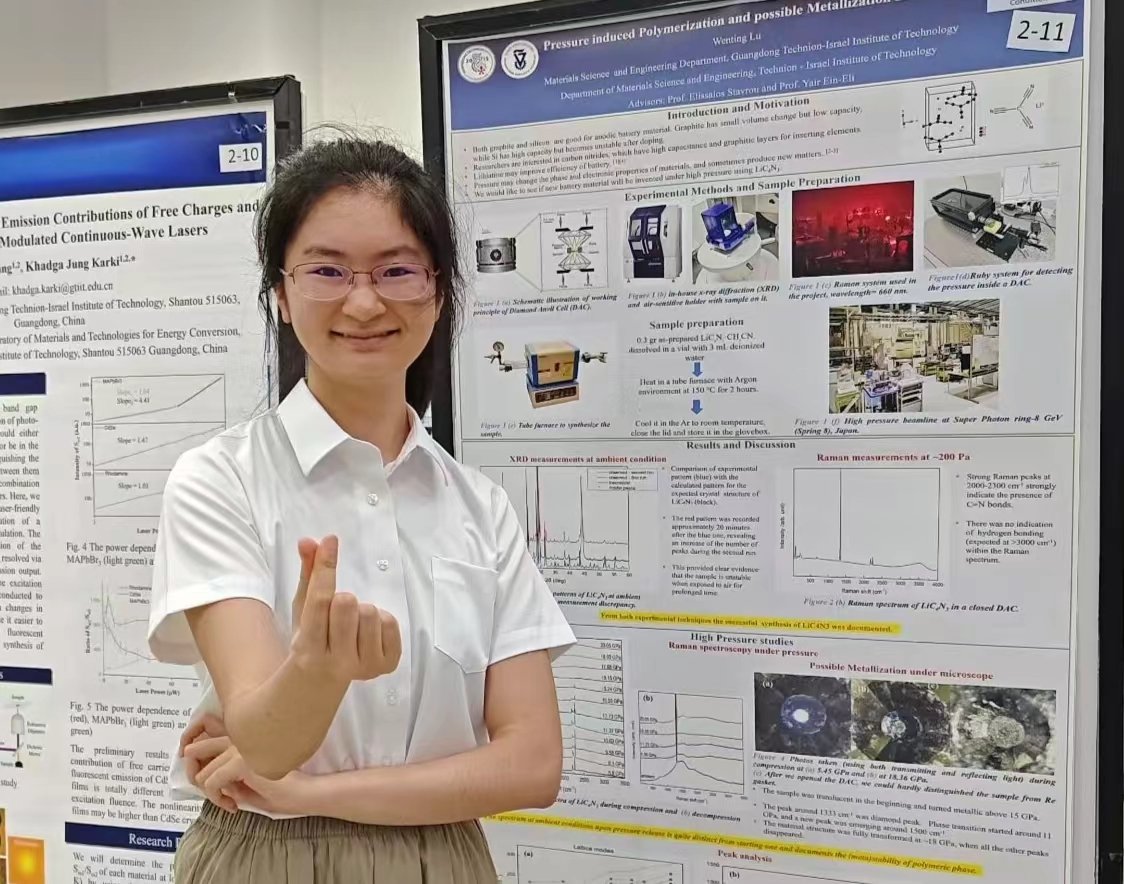
“At first, I was really worried I wasn’t good enough,” Wenting said. But the professor and the researchers in the lab taught her step by step, helping this research newbie gradually find her way. “I still remember that once our experimental data was sufficient for a poster presentation, my mentor directly took me and my research partner to an international academic conference in the extreme conditions field. As undergraduates, we got chance to present together with graduate students, postdocs and even professors.” This unique experience, which few peers could match, made her deeply aware of her mentor's selfless dedication and planted in her a seed to continue in research.
Hard work pays off. Wenting's research from her undergraduate years on the high-pressure phase change mechanisms of sulfide glass were successfully published in the well-known journal Physics Review B (impact factor: 6.2) under the title "Pressure-iduced crystallization and metallization in glassy As??Se??". Her persistence and dedication in the research group turned into real, tangible growth and rewards.
Wenting's learning state also improved. “Doing research taught me to explore actively. My way of thinking changed, while I absorbed knowledge better. I made many good friends, and my GPA steadily rose to the level needed for graduate applications.” The career plan she had changed at this point. She said that she opened a “hidden surprise box” at GTIIT, unexpectedly going on what she never imagined in her childhood.
Became One of the Direct PhD Students
About her further education, Wenting didn’t follow the crowd to apply for overseas universities. She made a firm and clear decision: stay at GTIIT to continue her studies.
“Those closest to the source get the best share.” Wenting summed up her choice in one sentence. Her decision stemmed from both academic passion and practical considerations. “I truly enjoy my research in Prof. Stavrou’s group and my undergraduate direction. Plus, my project can easily shift into a graduate research topic without starting over, which saves a lot of time.” As a student from a working-class family, financial factors were a genuine concern for her. GTIIT’s policy of no tuition for graduate students, plus the generous living allowance and relatively low living costs, could greatly ease her family’s burden. “I already know GTIIT really well. Staying here is the most cost-effective choice for me. I can skip the adjustment period and throw myself fully into research.”
The application for direct PhD admission wasn’t easy. Good grades were just the most basic requirement. “GTIIT’s direct PhD process is actually a process of transferring from a Master's degree to a PhD program after applying for a Master's degree. The whole application took a year and was really complicated.” Wenting said. Besides an 85+ undergraduate GPA, she also needed a 90+ GPA in her master's studies. Beyond academic performance, successful candidates also needed academic reference letters, a comprehensive CV, a nearly 30-page research proposal, and to pass a rigorous two-hour interview
As one of GTIIT’s direct PhD students, she grew quickly from paperwork and advisor communications to committee review. This experience also taught her that: there is no shortcut in research, only hard work can get you through every difficulty.
From a Passive Learner to an Independent Researcher
After getting into PhD program, Wenting focused on cutting-edge materials science under GTIIT’s dual advisor system. While working with Prof. Stavrou on extreme conditions materials, she also studied new battery materials under Prof. Ein-Eli at the Technion. Her project combines these two directions, using extreme high pressure to develop next-generation batteries that are more efficient, pack more energy, and are better for the environment.
The research road was never easy. Wenting ran into many hard problems, such as materials under high pressure showing no papers for reference, weak experimental data signals, and high noise levels. “There were too many problems. You must solve them one by one,” Wenting said. With no reference, she ran supporting experiments to check things from another angle. When she hit a wall on her own, she proactively asked for collaboration and cross-field help. “My mentors and lab mates always supported me. That’s why I can continue my project.”
From undergraduate to PhD, Wenting underwent a complete transformation at GTIIT. She devised her changes into five parts: mindset, research skills, time management, collaboration, and action. “Action matters most. It’s always better to do than to think. Before, I’d spend a lot of time reading papers and planning, but always delay actions. Now, once I decide on something, I first ask my advisor if it’s doable. If so, I will immediately start it. Reality ‘forces’ you to learn new knowledge, which is much more closely tied to your project than anything you pick up from just reading.”
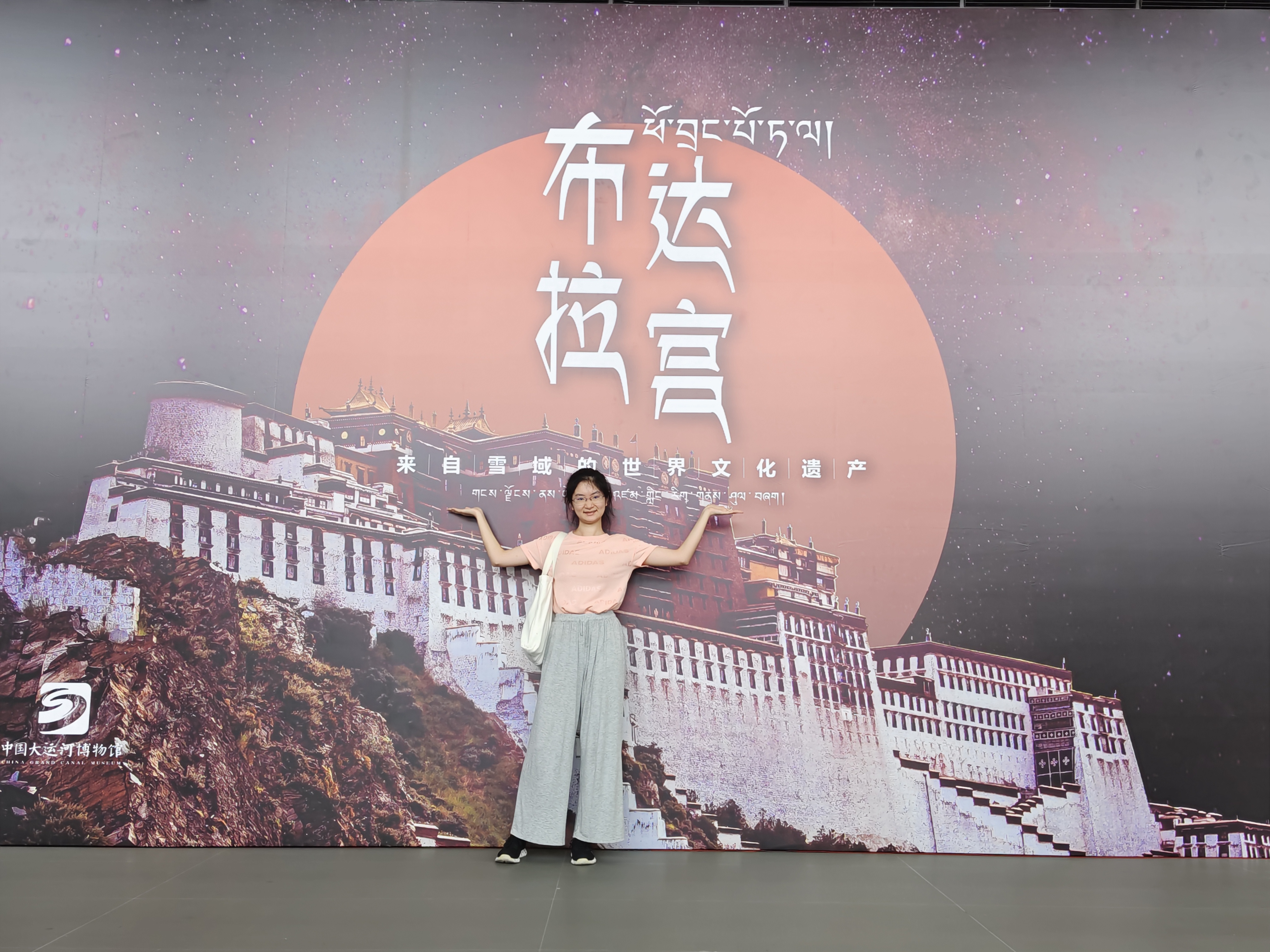
Looking back at her six years at GTIIT, Wenting summed it up as “pain and surprises came together.” She described the intense studying and research as growing pains, while research itself, precious friendships, and unique experiences, were all surprise gifts she gained along the way.
For younger students aiming for direct PhDadmission, Wenting offered the following suggestions:
Prioritise mentor selection. A good advisor is more important than a good university. From your mentor, you can learn how to work with others and how to think, and you can even tap into their network to reach bigger places. I encourage younger students to look for advisors at GTIIT/Technion and study in a familiar environment.
Studying at GTIIT/Technion is actually a mix of working and learning. The living allowance you get during your studies is more than what ordinary Chinese universities offer. Every month when I receive the allowance, I feel as happy as getting a paycheck. If you are from a working-class family like I do, I really think you should consider this. There's no shame in money. It's a real, important factor when you're making decisions.
Something that once troubled me: Should I switch to another program when applying for graduation school? My answer is no. I spent four-year learning what I majored in, and I don’t want to waste it. Plus, those so-called hot fields might be oversaturated in a few years. By the time you graduate, competition could already be very fierce, or they might even be replaced by newer hot fields. I think what’s more important than knowledge is the way of thinking. Once you have it, even if you cross into a different field, you can adapt quickly.
Text/Photos: GTIIT News & Public Affairs, Lu Wenting