PostTime:7/8/2026
In 2026, the sixth cohort of undergraduate graduates from Guangdong Technion – Israel Institute of Technology (GTIIT) is ready to set sail. Armed with the knowledge and courage bestowed by their alma mater, and guided by the belief of "Dream it. Do it.", they have etched their youth in constant exploration and breakthrough. Let us step into their stories, and witness how they take action as wings to wider skies.
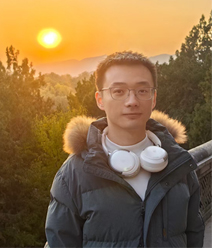
Name: Luo Yinxiang
High School: Chengdu Foreign Languages School, Gaoxin Campus
Program: Mechanical Engineering and Robotics
Award:
Outstanding Academic Performance Award (Top 10%, Academic Year 2022–2023)
Offer:
Nanyang Technological University, Singapore (Computer Automation Control)
Johns Hopkins University, USA (Robotics, Mechanical Engineering)
Texas A&M University, USA (Mechanical Engineering)University of Southern California, USA (Mechanical Engineering)
Boston University, USA (Mechanical Engineering, Robotics and Autonomous Systems)
On the fiercely competitive overseas graduate admissions, some win, some lose. The first time, Yinxiang—scrambling through applications in just two months—was the latter. The second time, armed with solid research, strong recommendations, and a clear vision, he landed offers from multiple top schools and set his sights on medical robotics for the next chapter.
A Hurried Start. A Confident Comeback
In October 2024, while most peers already had language scores and polished application essays, Yinxiang, under immense pressure, began his first grad application.
"That was not a good example," he said. "I fell behind as a freshman, and by junior year I was a full year off the normal course schedule. But I didn't want to delay graduation, so I overloaded on courses—some even overlapping—while juggling research, my final project, and applications."
Within two months, he finished school selection, application essays, and language tests. The rush cost him his dream school.
But instead of self-doubt, the failure brought reflection. He realized that GTIIT's edge—undergraduates having deep research access—should have been his strength. His four-year research portfolio also needed a sharper, more compelling narrative.
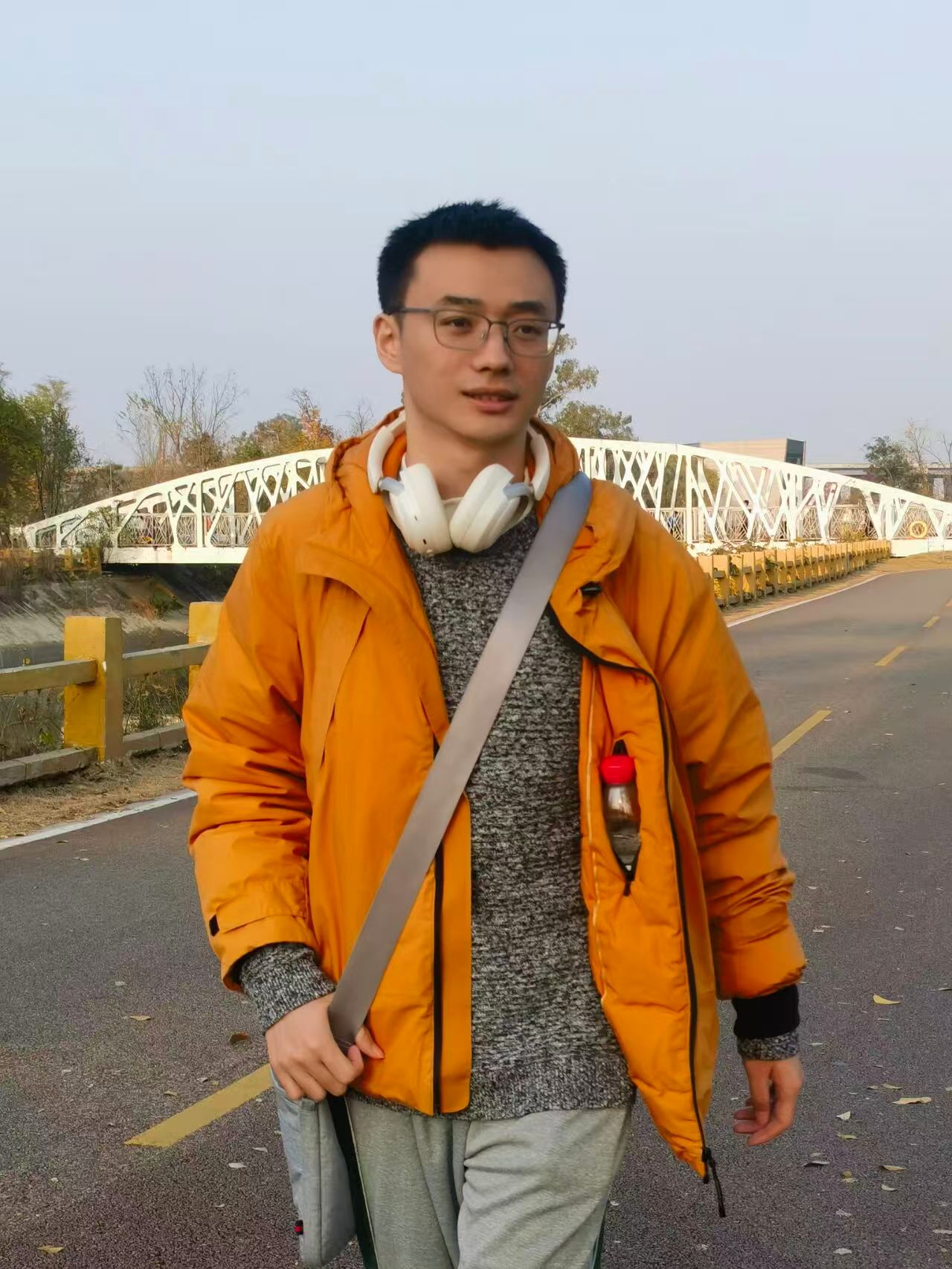
In Professor Madan Kumar's lab, he worked on designing thermal energy recovery exchangers for clean-energy engines using hydrogen-ammonia blended fuel, running thermal management simulations with ANSYS. In Professor Li Cheng's lab, he participated in low-altitude economy experiments, reconstructing wind fields from UAV attitude data—gaining end-to-end R&D experience from theory to engineering.
These research experiences, once merely listed, became his core leverage the second time. "In my personal statement, I highlighted them to show both my fundamentals in fluid modeling and data analysis, and my ability to turn real problems into scientific questions." Backed by strong recommendation letters from his mentors affirming his "research potential and engineering competence," he finally closed the gap from last year and opened the door to his ideal program.
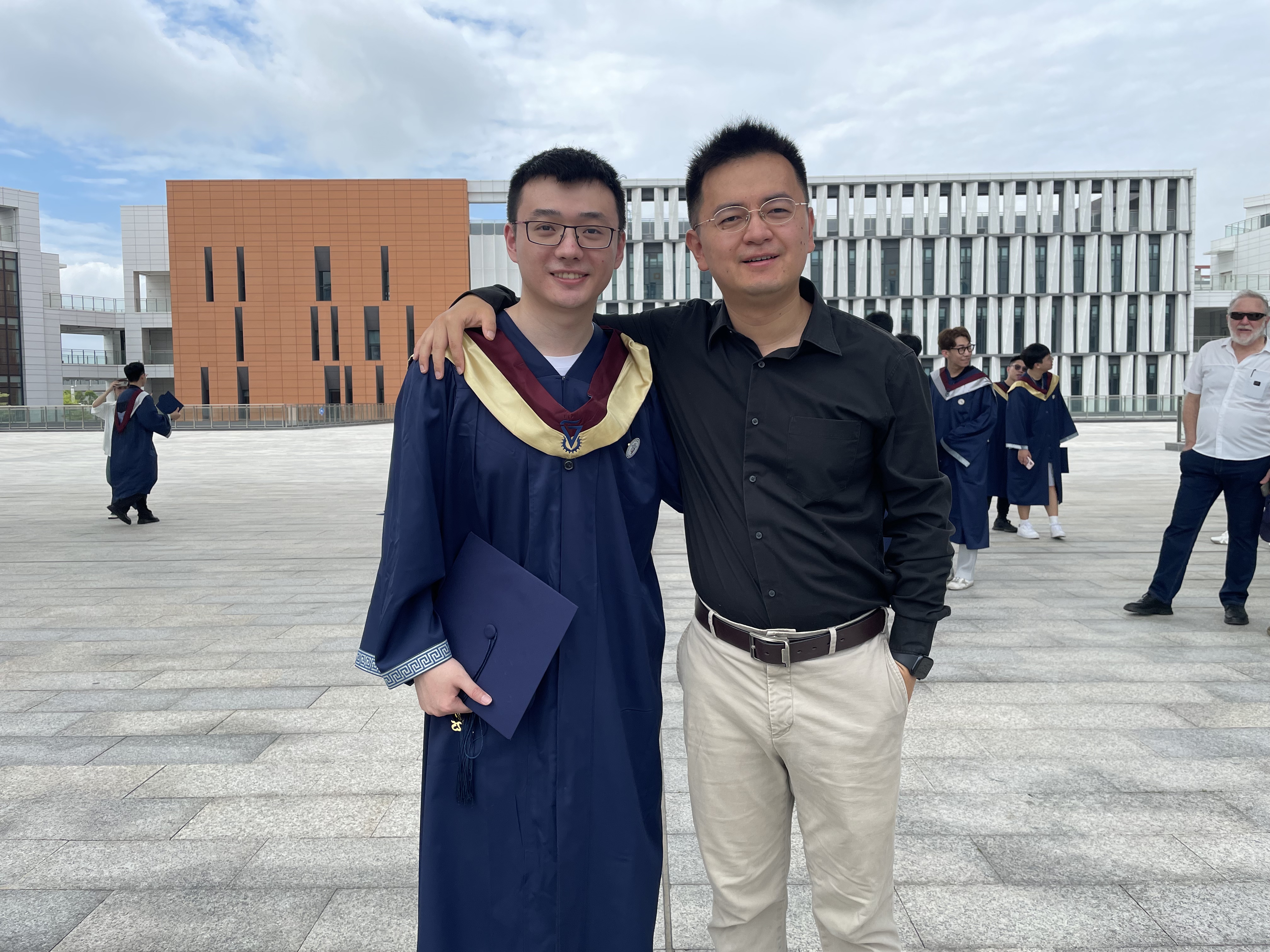
Photo taken with Prof. Li Cheng
"Join a research group or a short-term project as early as possible,” he suggested. “One of GTIIT's biggest advantages is that undergraduates have frequent access to research projects, competitions, and more—professors hold lectures, lab recruitment sessions, and contests. Don't overthink whether you're interested or qualified. Just dive in, and you'll gain something."
From Mechanical Engineering to Medical Robotics
In GTIIT's inquiry-driven classrooms, Yinxiang's biggest gain was not knowledge itself, but a mindset for understanding complex systems.

"Mechanical engineering emphasizes math and physics foundations while covering a broad range," he said. "From classical mechanics and fluid dynamics to control theory, automation, and robotics—this curriculum builds a systematic view of the entire field."
He called this "deep-rooted, broad-spectrum" approach a treasure: "A robot that moves, senses, and decides needs knowledge from almost every core mechanical subject. GTIIT doesn't rush to teach assembly—it builds solid foundations for each subsystem first."
It was precisely this training that gave him added confidence when he pivoted to medical robotics for his graduate school application. "I didn't just learn 'how to build a robot'—I learned why a robot moves, how it moves with precision, and what powers it."
His choice was also grounded in his reading of the industry. In his view, birth, aging, illness, and death are eternal human concerns, and China's healthcare and rehabilitation market alone holds enormous scientific and commercial value. "The high-end medical equipment sector in China is still in its early stages, with vast untapped potential."
As for the cross-disciplinary knowledge—biomedical science, computer science, and beyond—he isn't intimidated: "The learning skills I developed in undergrad, like quickly structuring new knowledge systems and building personal knowledge bases to absorb new fields efficiently, give me confidence that I can close any gaps fast and play to my strengths."

Took part in admissions events
Yinxiang is the fourth from the left.
Looking back, Yinxiang describes his change as a "reinvention"—his knowledge, thinking habits, future vision, even how he communicates with others, all broken down and rebuilt from scratch. "These four years reshaped me from a passive high-schooler into someone with direction, method, and drive."
With this renewed self, he is heading to Johns Hopkins University, a leader in the intersection of robotics and healthcare, to pursue his dream.
Text: GTIIT News & Public Affairs
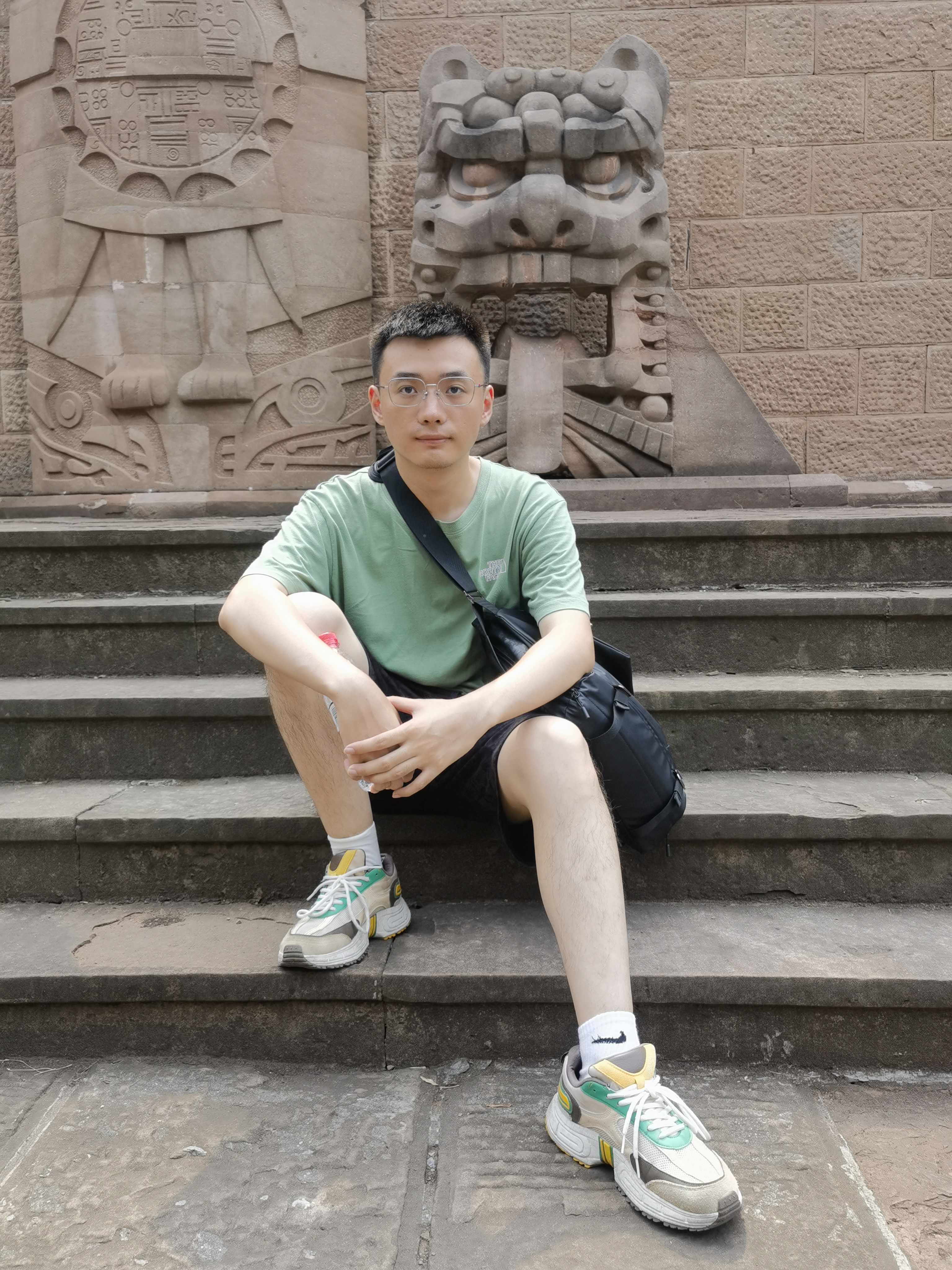
Photos: provided by Luo Yinxiang