PostTime:8/17/2026
If you ask me what it's like to study Biotechnology and Food Engineering (BFE) at GTIIT, here's what I'd tell you:
I've made kimchi, brewed wine, pounded beef balls, whipped up protein bars, and even found “gold” in discarded tea leaves.
If university majors had a "moments" feed, mine would definitely be the one everyone envies.
A Collective Showcase of Scientific Curiosity
Just after finishing their first year, students are thrown into an early trial — a poster exhibition. Though not yet polished, the works reflect a year of thinking and growth.
Topics span from enhancing tomato fruit size and tackling heavy metal contamination to exploring cancer treatment. At the fully English "roadshow," ideas grounded in solid literature research are presented with clarity and fluency. These fearless young explorers take on the challenge side by side, gaining valuable research experience in a relaxed atmosphere.
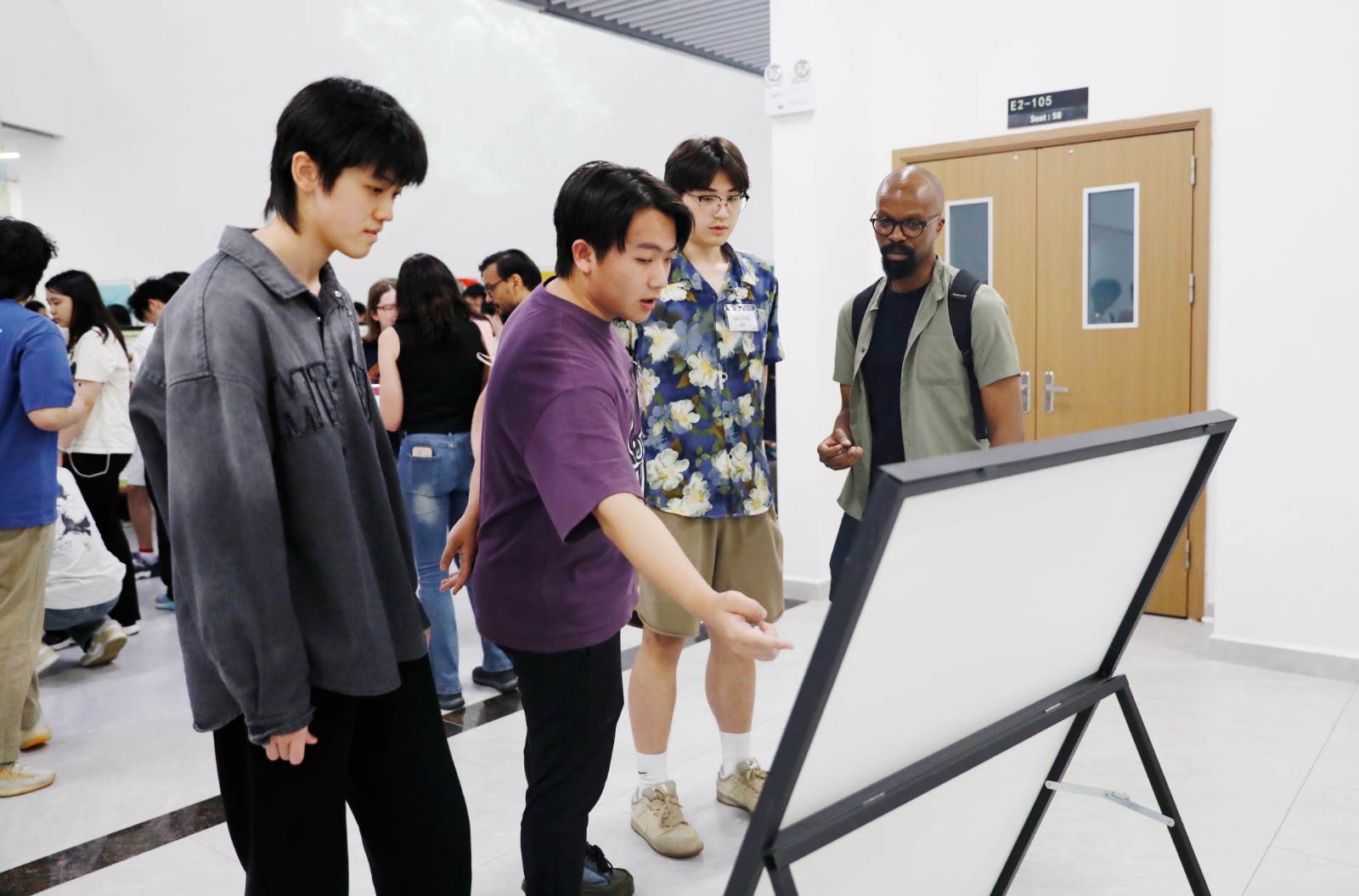
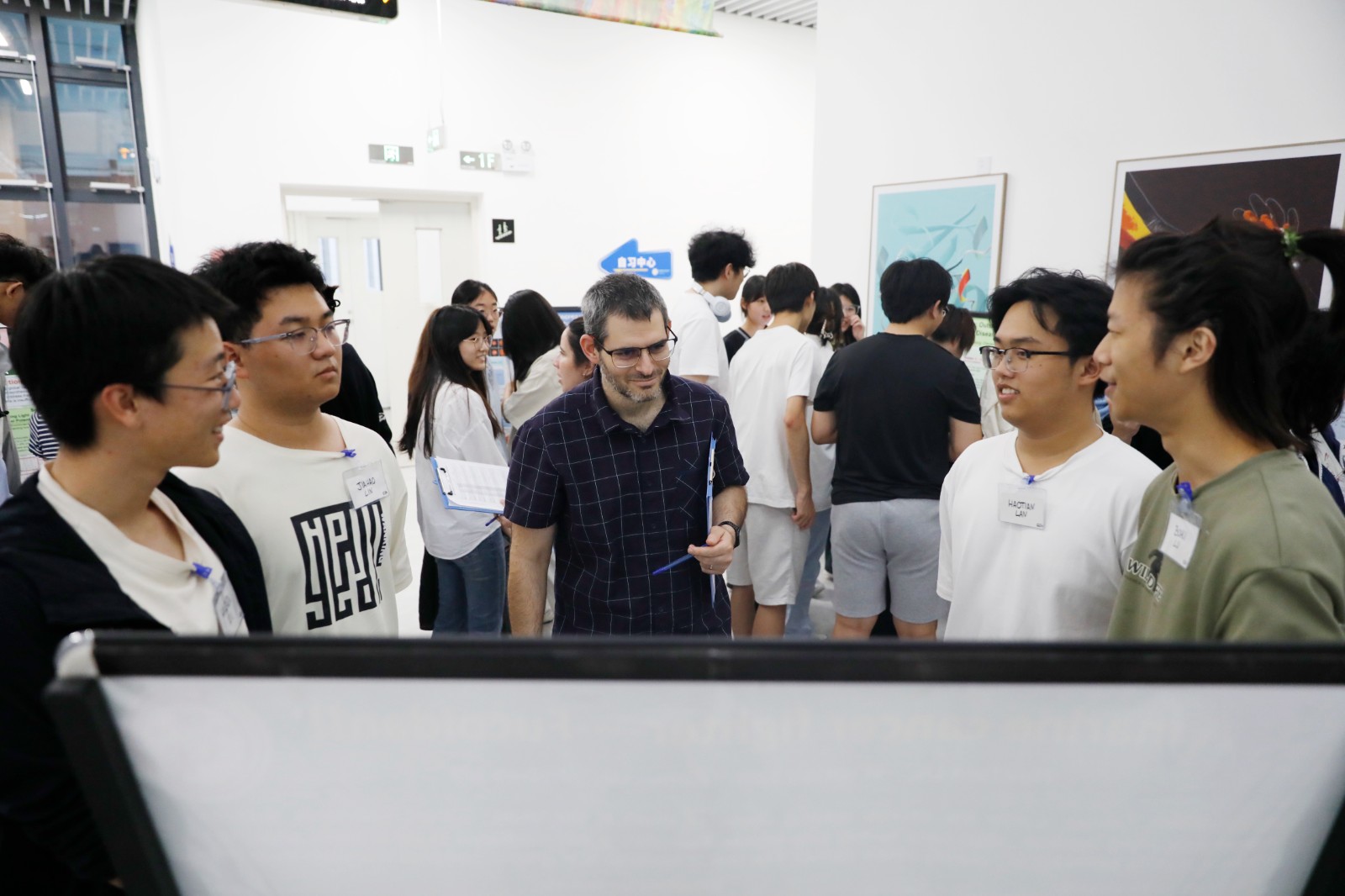
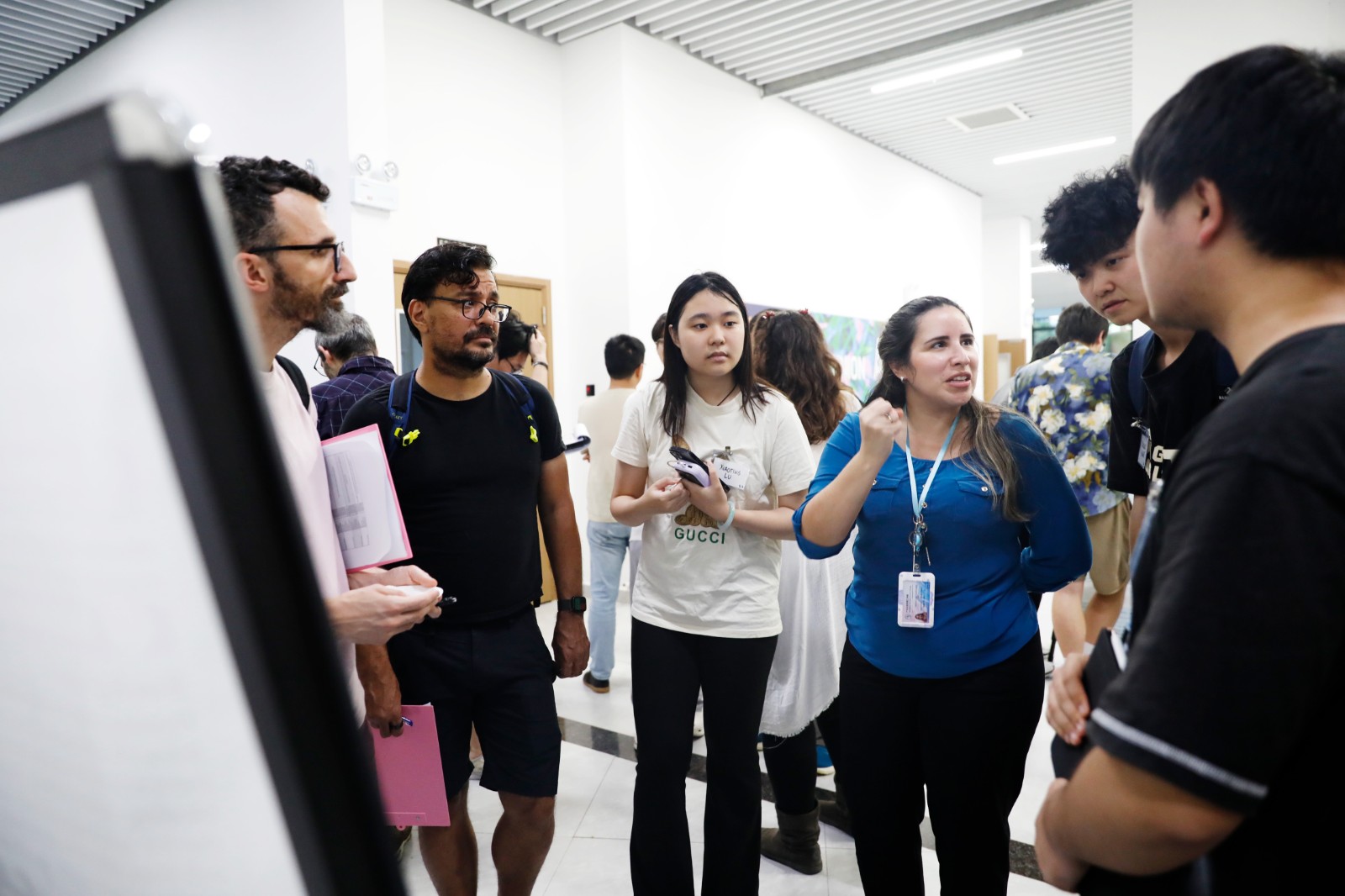
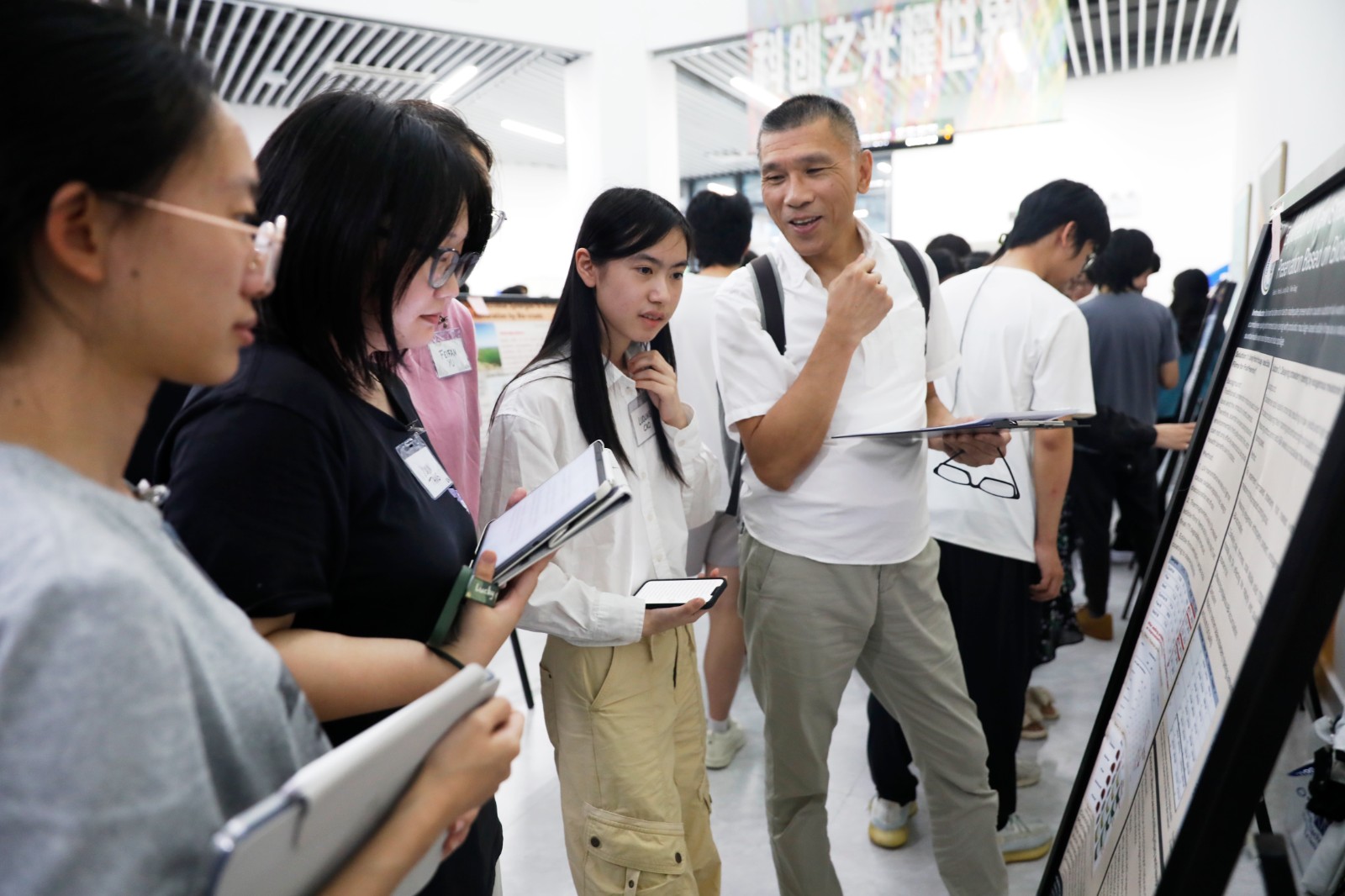
"This is something usually done by PhD or Master's students, but GTIIT's undergraduates have done amazing work," said Associate Professor Yigal Achmon. This "front-loaded" design immerses students in the researcher role early on, shifting them from passive learning to active inquiry.
When Final Exams Become "Food Festival"
"While others lose hair over finals, we gain weight."
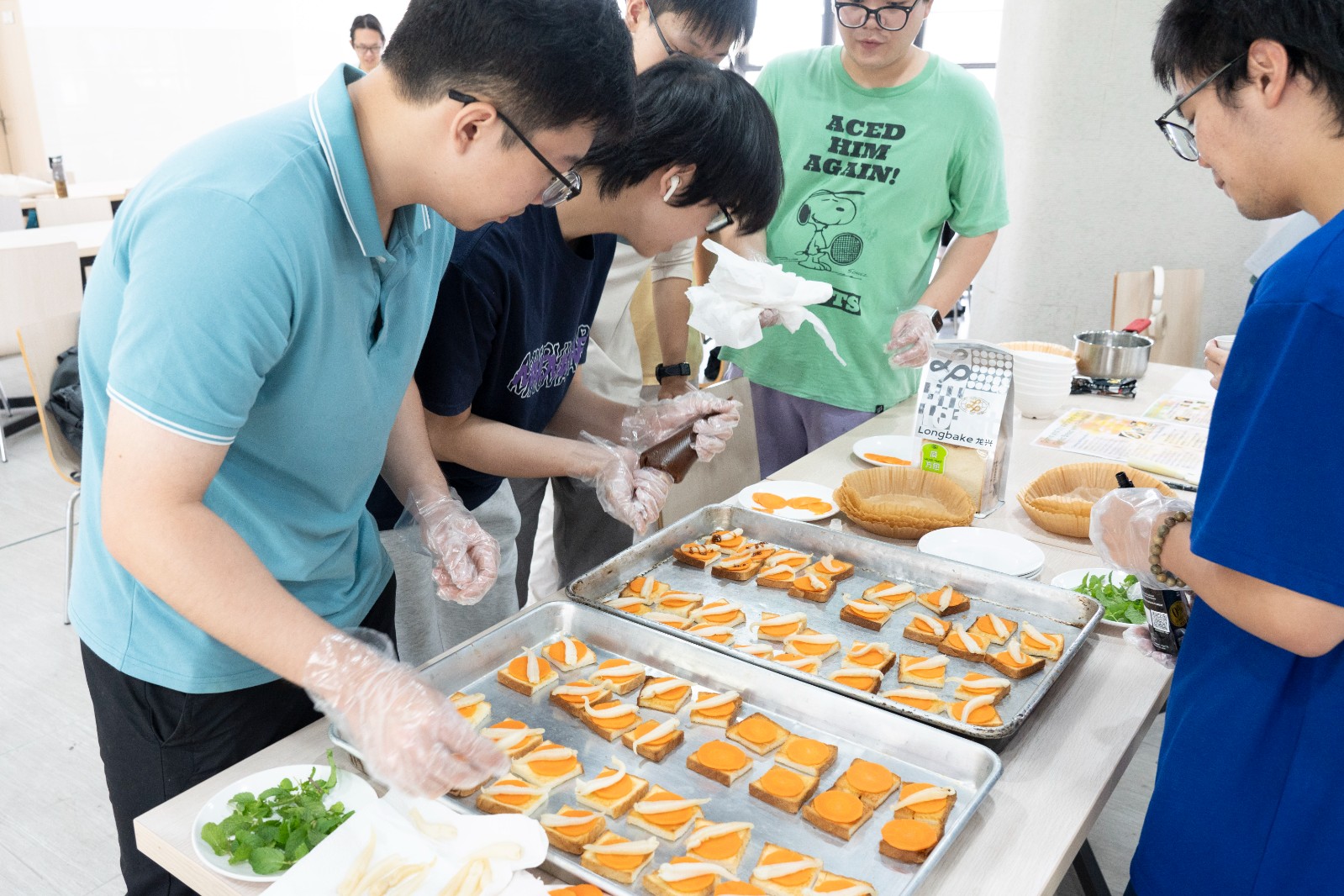
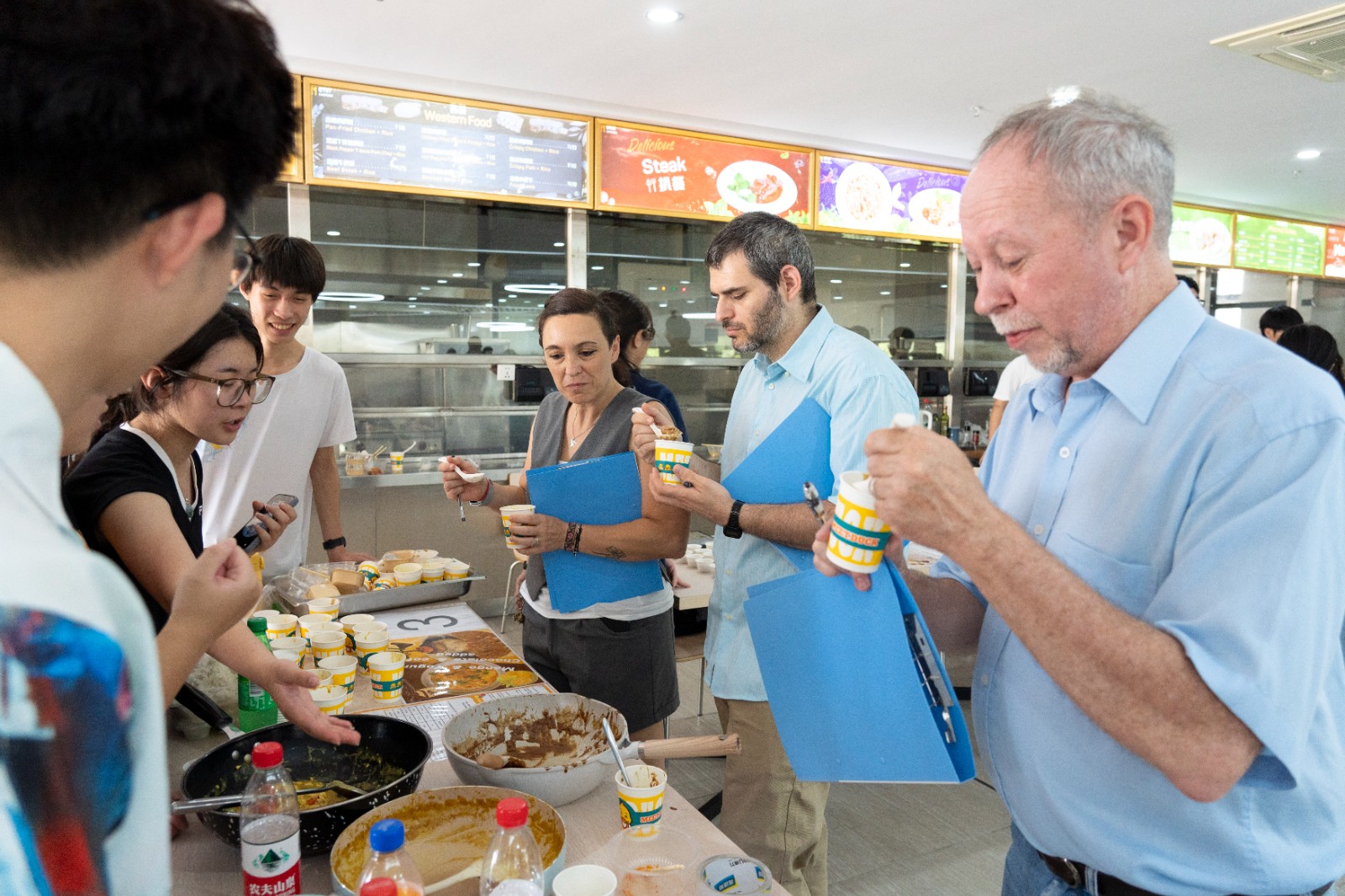
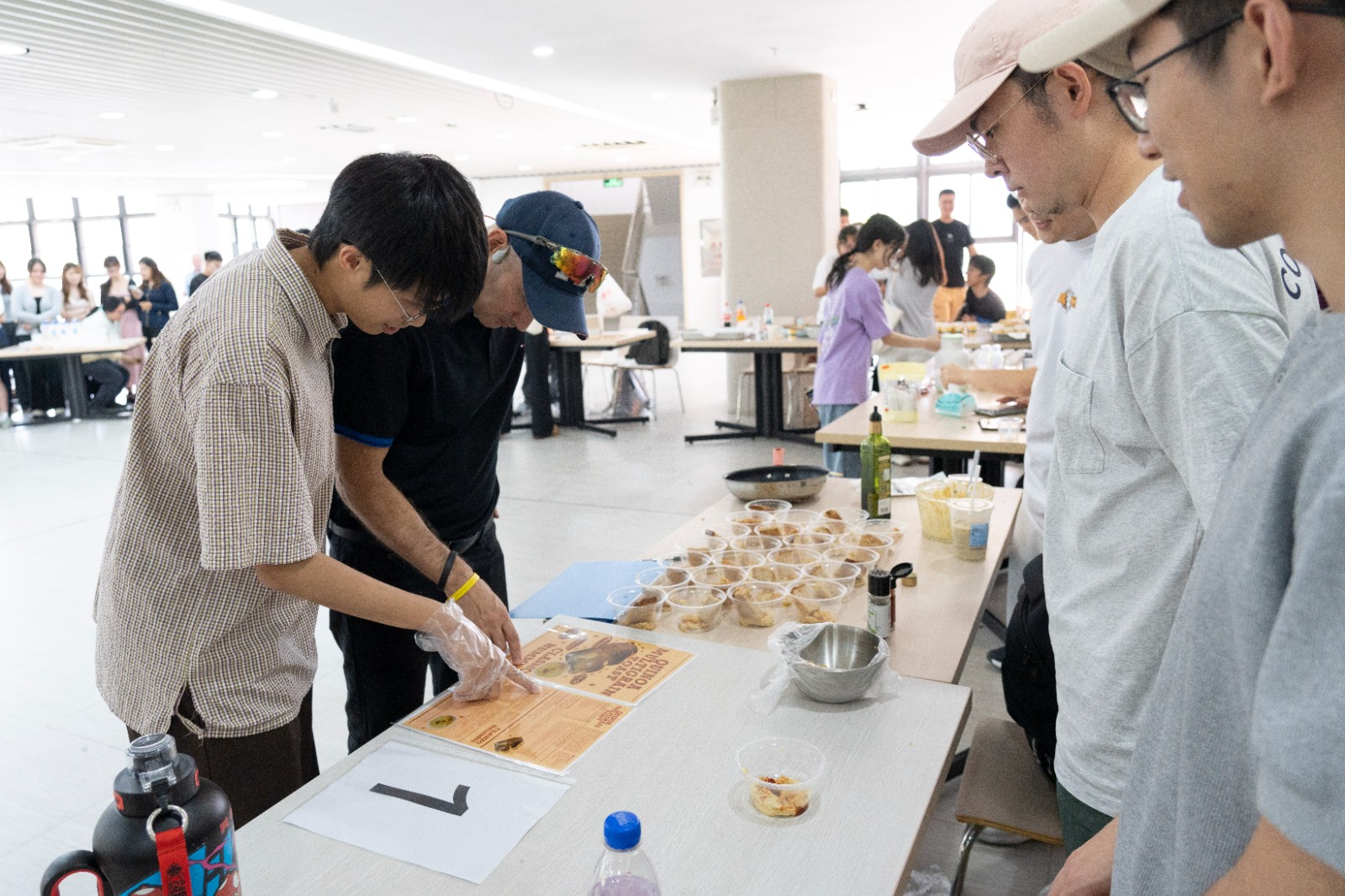
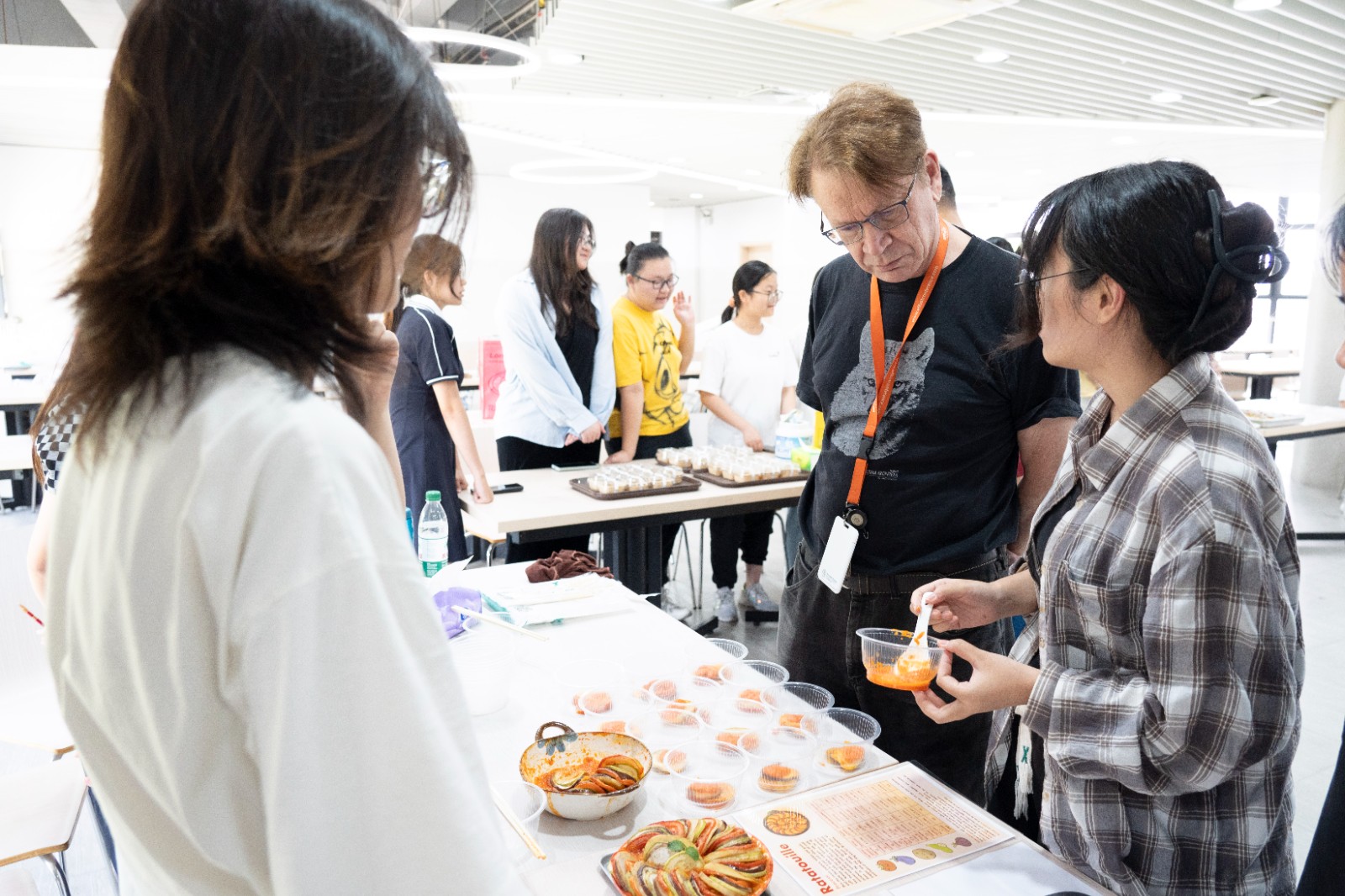
Yes, in the second year of BFE, one of the final exams is literally "creating a food product."
Students work in teams to design a product from scratch — balancing nutrition, functionality, industrial feasibility, and economic value — and present their final creation for tasting and grading.
Herbal zero-sugar milk, color-changing jelly, multigrain toast, char siu apple pie… textbook molecular formulas come alive as endless creativity, and the core knowledge of food chemistry is truly grasped, unlocking more joy in learning.
The Immersive "Microbial Magic"
Brew wine, pickle cucumbers, ferment kimchi, make bread — in third-year Food Microbiology, hands-on experiments are always the focus. If the dough isn't proofed, your bread may turn into a brick; if the temperature slips, your wine may become vinegar. But it's precisely these moments of triumph or mishap that turn abstract theories into real skills.
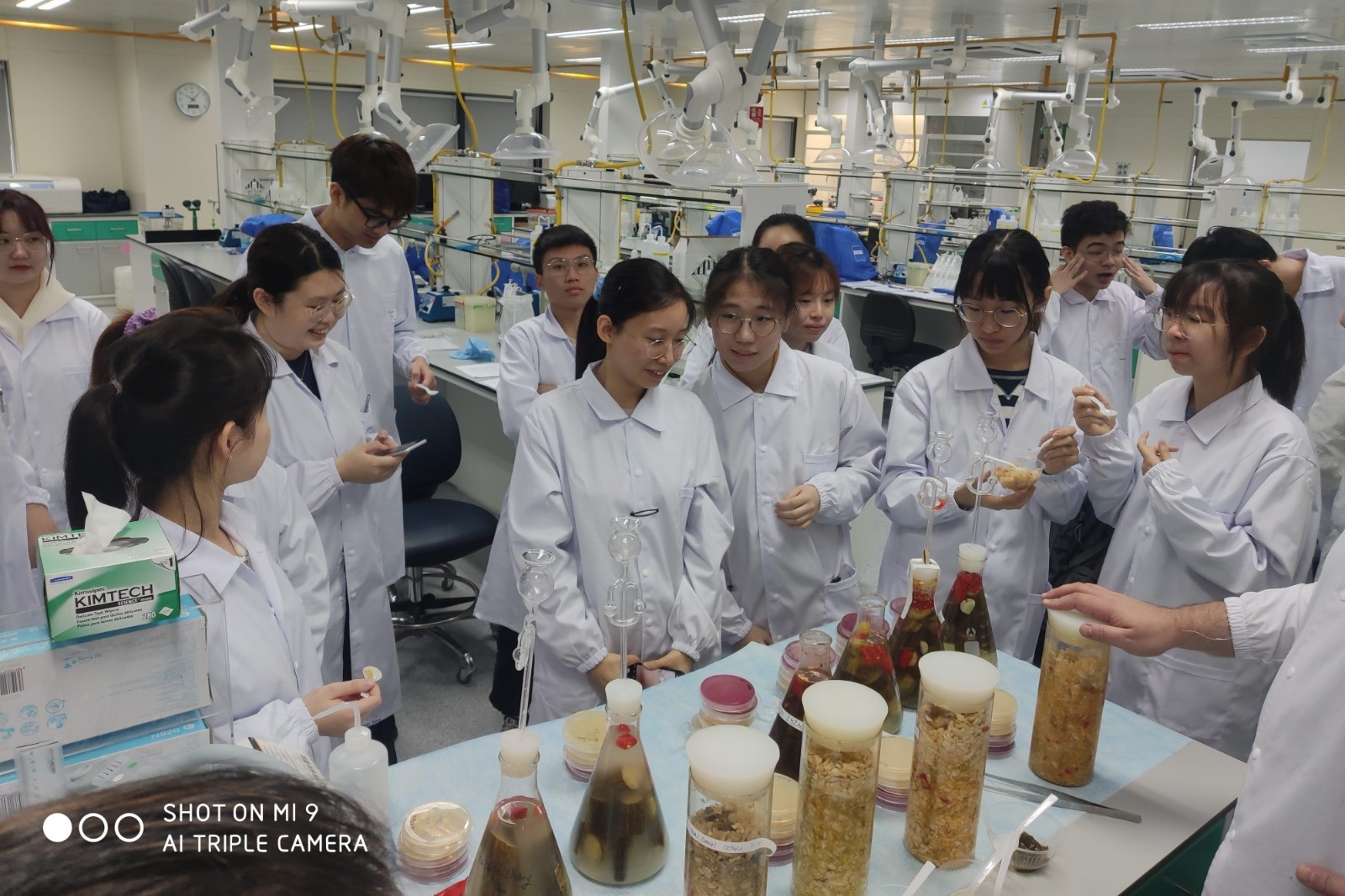
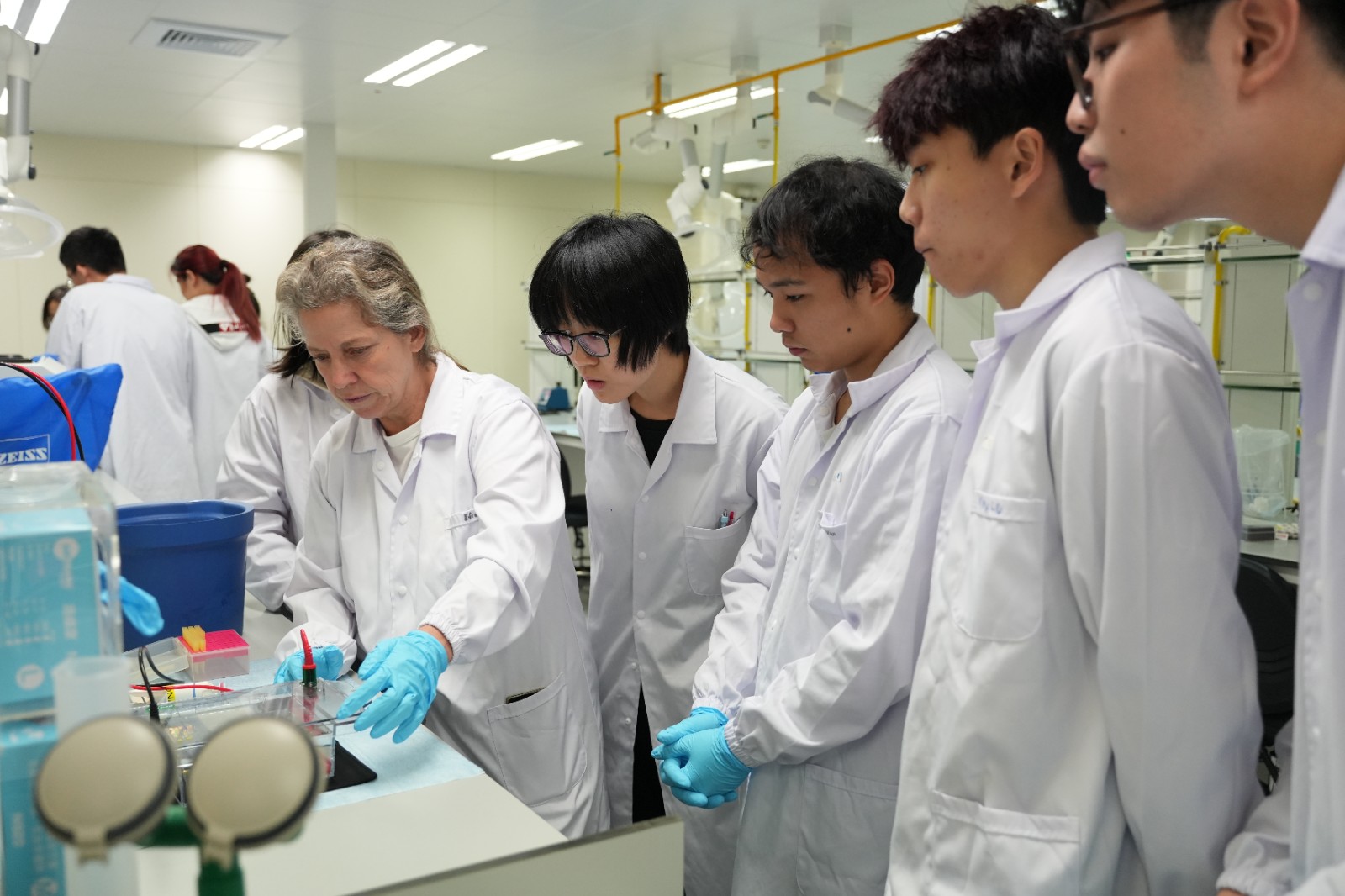
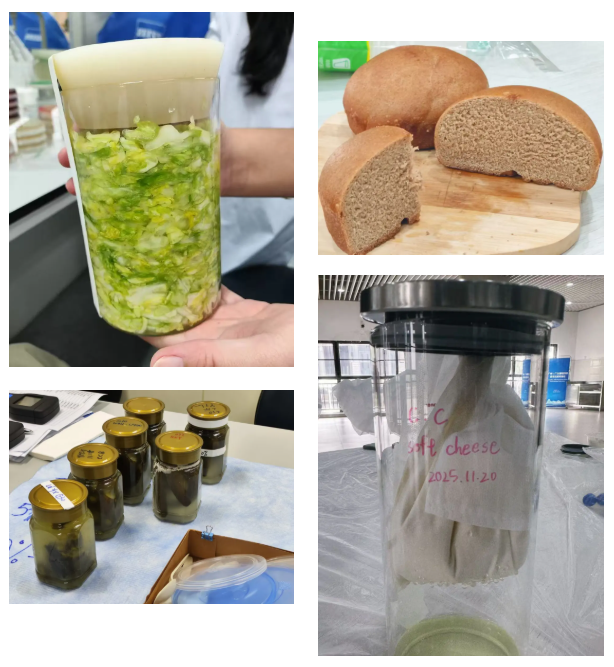
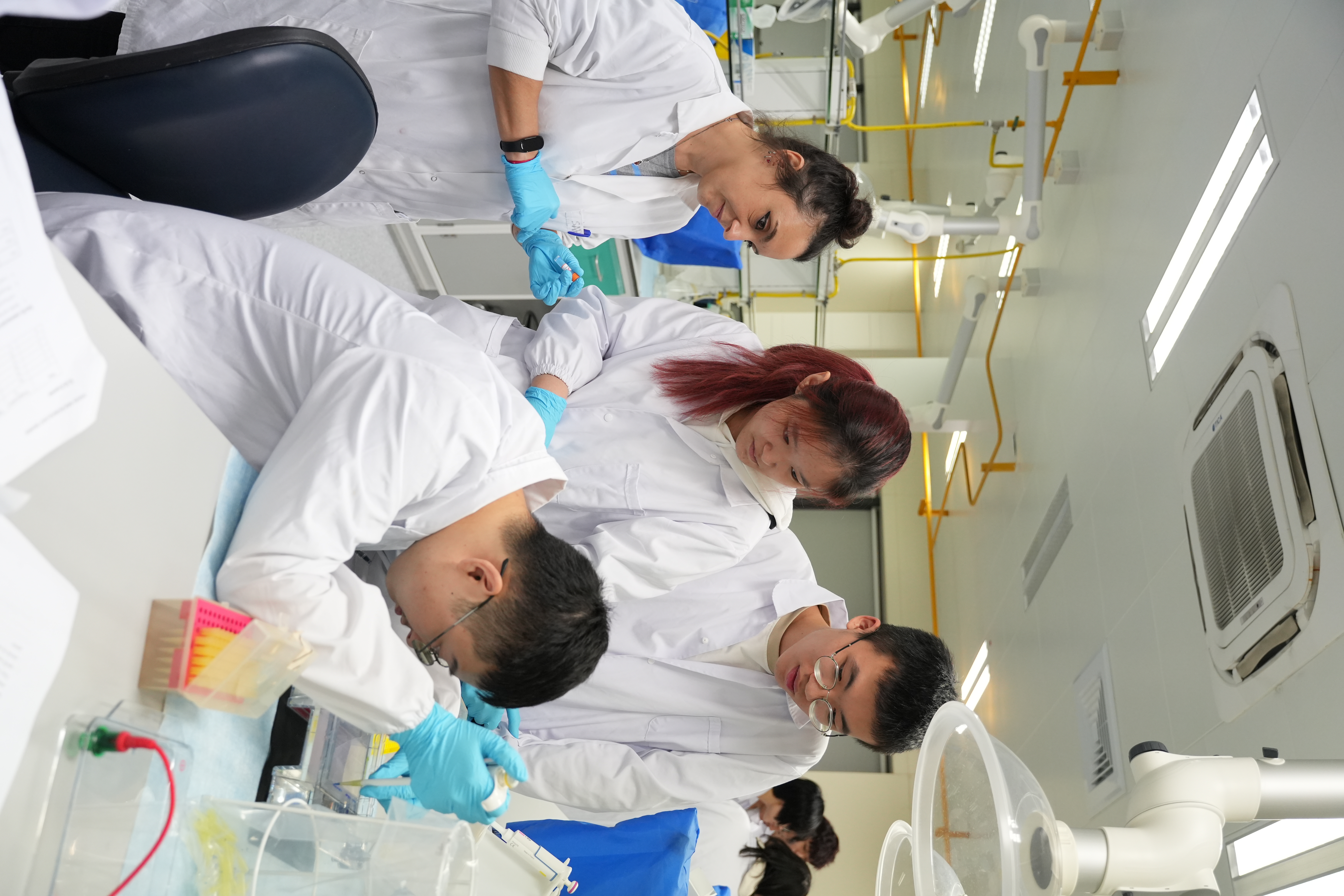
This "learning by doing" approach runs through the entire curriculum — lab sessions account for 25%–30% of total coursework hours. With state-of-the-art equipment and ample hands-on time, every student gets to operate independently and build genuine competence.
And learning doesn't stop at the lab — it extends to real production lines. Toward the end of the course, students visit local food companies under faculty guidance, tasting wines, pounding beef balls, sampling cheese, and savoring seafood — then applying their knowledge to deconstruct the science behind every bite, culminating in a detailed research presentation that closes the learning loop.
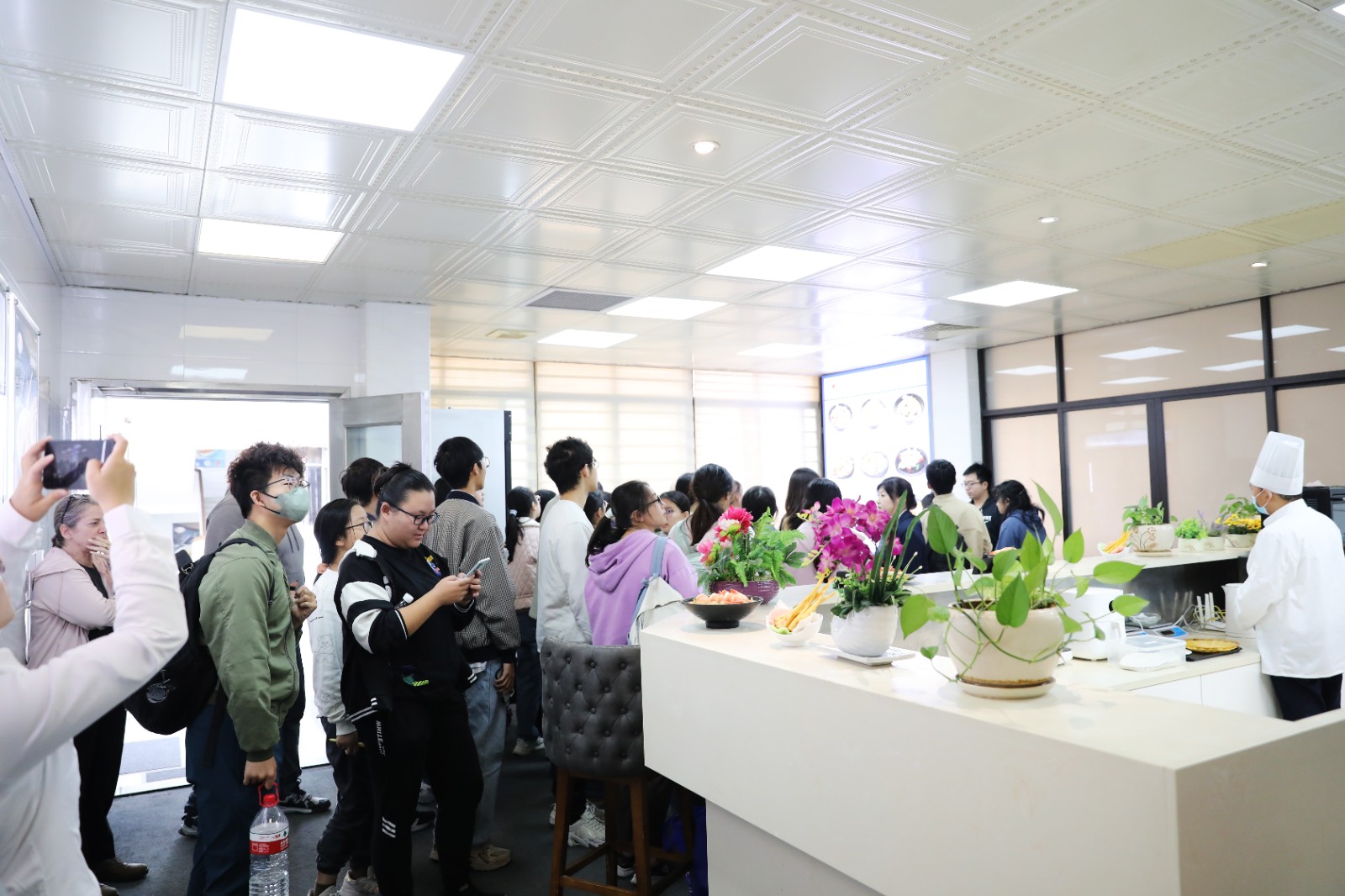
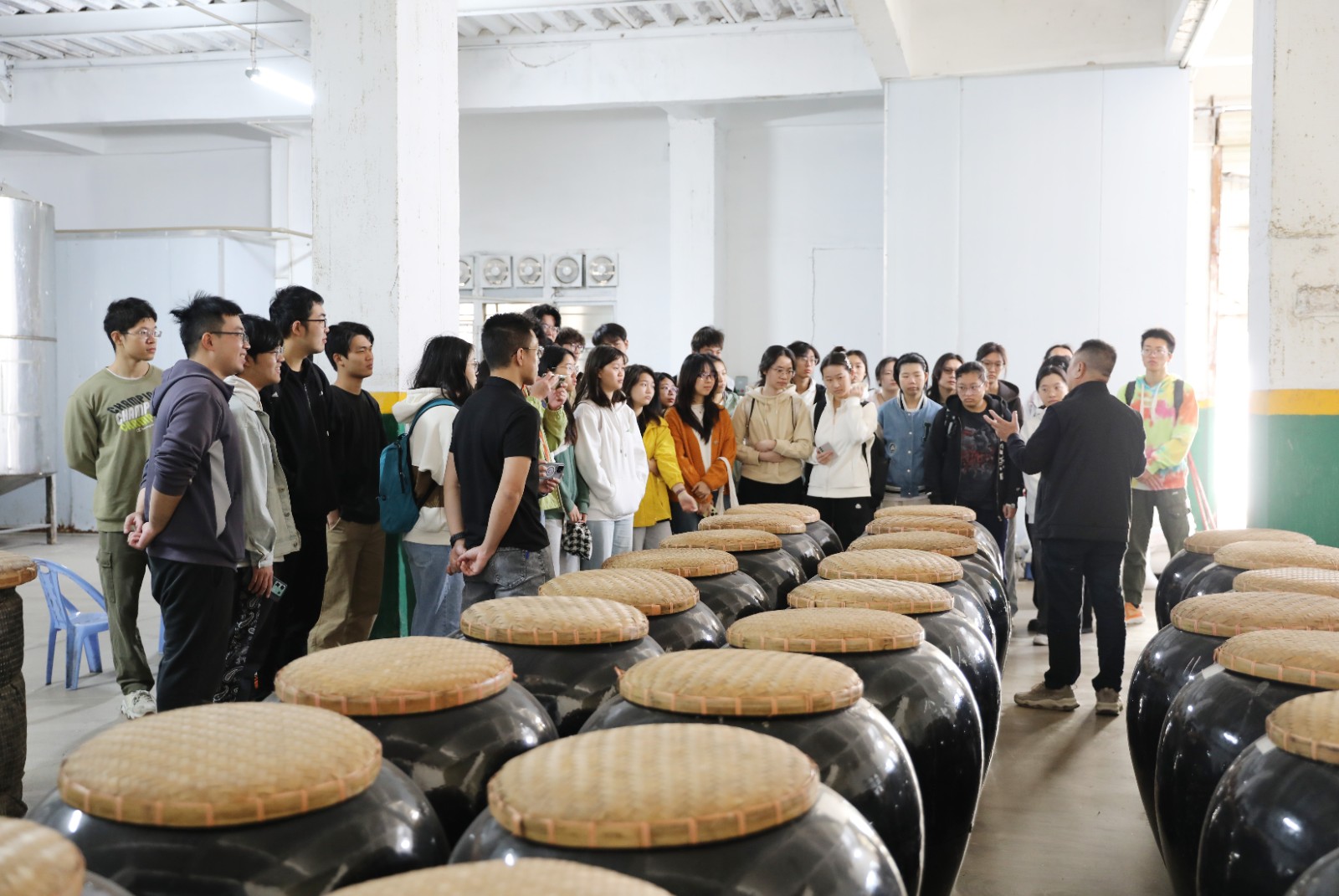
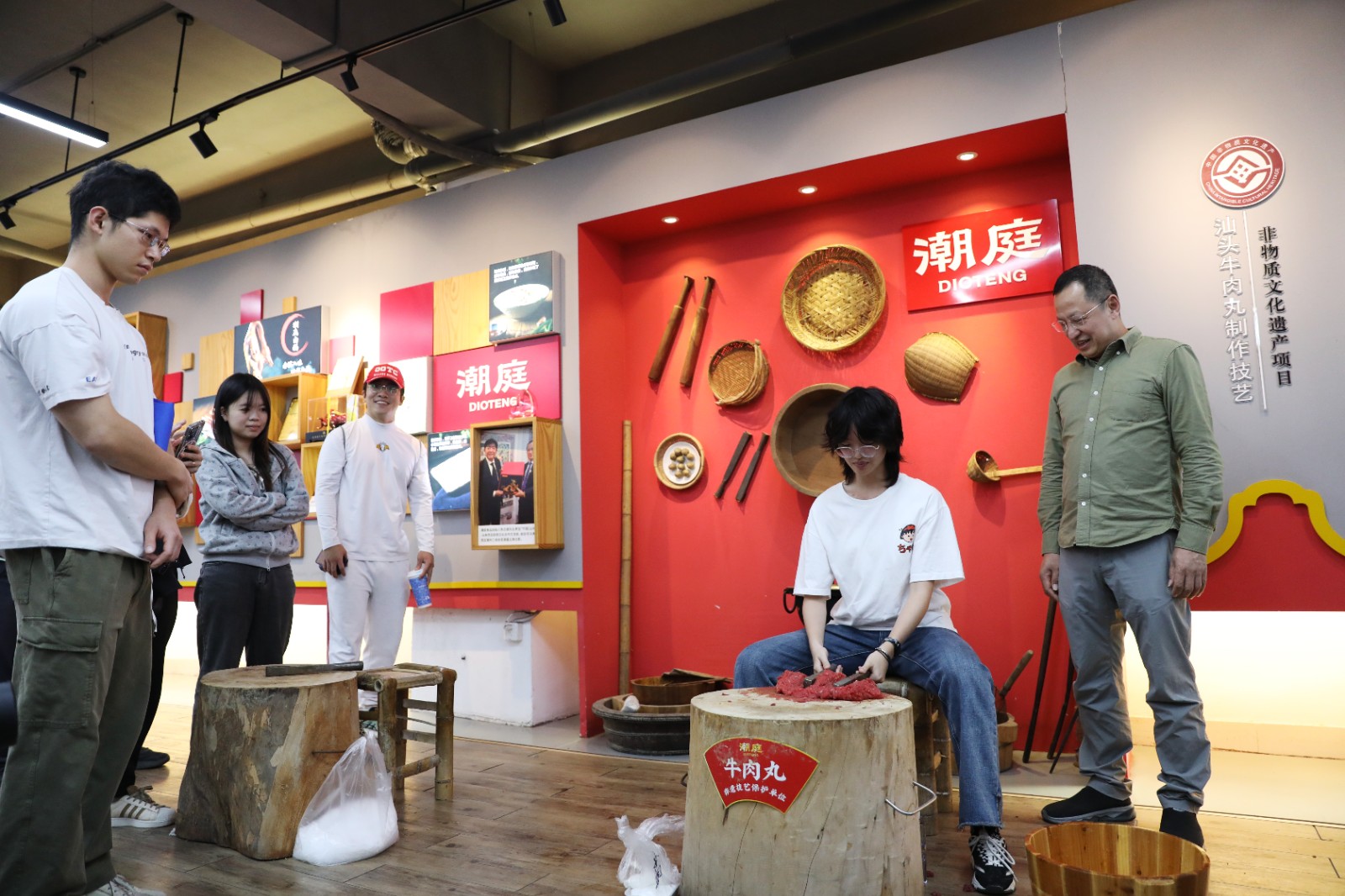
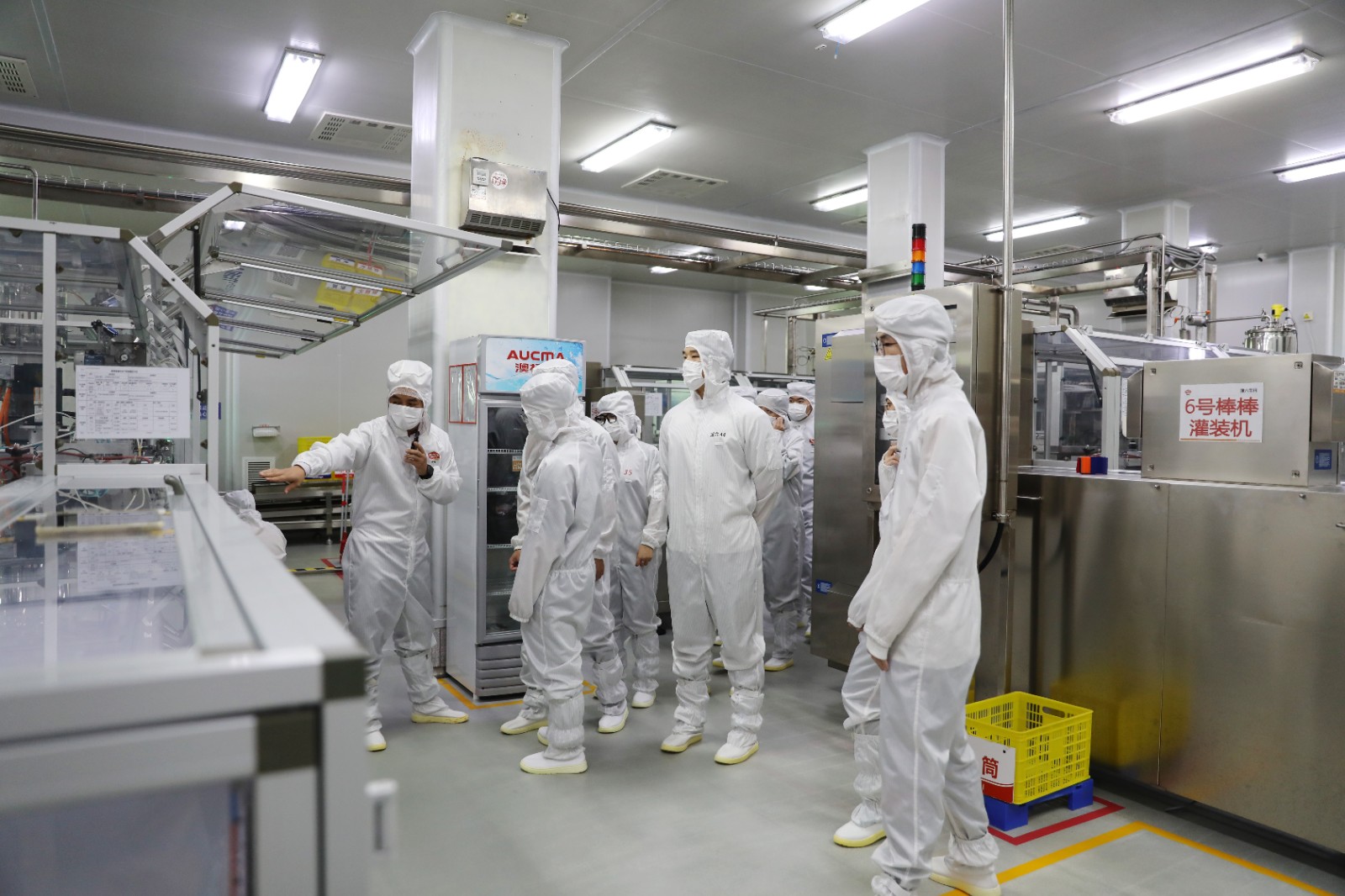
In the dual-track Biotechnology and Food Engineering program, students are guided to solve real problems and pursue their academic passions. Through immersive learning, they turn knowledge into competence and build a solid interdisciplinary base.
This base not only takes them to top universities worldwide, but also crosses into frontier fields like computational biology, medicine, and pharmaceutics — where they take root, grow, and write their own stories of impact.
Text/Photos: GTIIT News & Public Affairs